Perusta sinäkin oma Blogaaja.fi blogi ilmaiseksi >>
Lainaa.com

Read Our Latest News

Category: Health Page 1 of 2

Is Bleeding Normal After a Tooth Extraction?

Is Bleeding Normal After a Tooth Extraction?

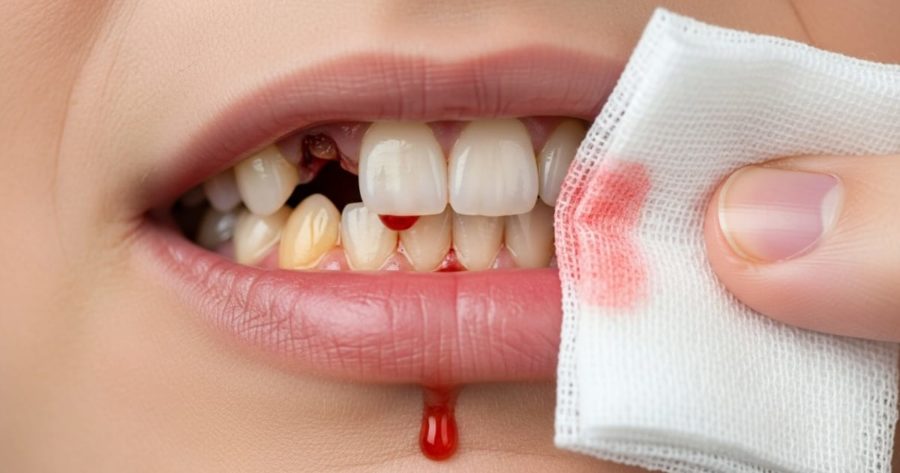
Seeing blood after having a tooth removed can feel alarming. However, a small amount of bleeding after tooth extraction is usually a normal part of early healing. The extraction leaves an open socket in the gum and bone, so the body must form a blood clot to protect the area.

Light oozing may continue during the first several hours. Your saliva may also look pink or red because even a small amount of blood can change its color. Active bleeding that fills your mouth, forms large clots, or continues despite steady pressure is different and may require professional care.

Understanding what is normal, how to protect the extraction site, and when to contact a dentist can make your recovery safer and less stressful.

Why Does an Extraction Site Bleed?

When a tooth is removed, small blood vessels in the surrounding gum and bone are affected. Bleeding begins as the body starts its natural healing process.

A clot should gradually form inside the empty socket. This blood clot after extraction acts as a protective layer over the underlying bone and nerves. It also supports the development of new tissue as the socket heals.

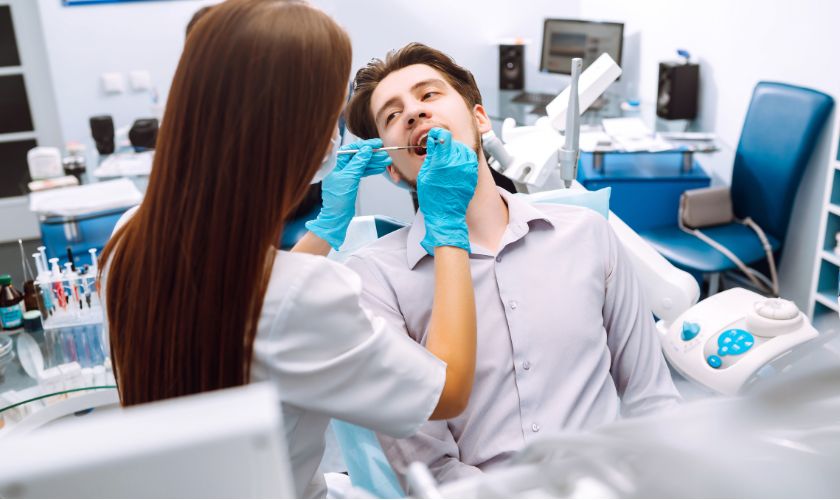
The dental team will normally place gauze over the area and ask you to bite down before leaving the office. This pressure helps slow the bleeding and allows the clot to form.

Some oozing can continue after you return home. It does not always mean that something has gone wrong.

How Much Bleeding Is Considered Normal?

A small amount of blood, light oozing, or pink saliva is generally expected during the first day. You might notice a blood stain on the gauze or a metallic taste in your mouth.

The bleeding should gradually slow rather than become stronger. It may briefly restart if you talk excessively, spit, rinse forcefully, exercise, or disturb the socket with your tongue.

The amount can also depend on the type of extraction. A surgical extraction or wisdom tooth removal may involve more tissue than a simple extraction. Your health, medications, and the location of the tooth can also affect the early healing process.

Patients receiving tooth extraction aftercare in Cypress, TX should follow the instructions given by their dental team because individual recovery needs can vary.

How Long Does Bleeding Last After Tooth Extraction?

Many patients want to know, how long does bleeding last after tooth extraction? Noticeable bleeding often slows within a few hours when firm pressure is applied correctly. Mild oozing or blood-tinged saliva may continue for up to 24 hours, and some people may notice a slight pink color for longer.

The extraction site should not keep releasing thick, bright red blood without improvement. It is also not normal for gauze to become heavily soaked again and again after you have applied steady pressure as directed.

If bleeding stops and then restarts, think about what may have disturbed the clot. Vigorous rinsing, smoking, using a straw, heavy lifting, or touching the socket are common causes.

How to Stop Bleeding After Tooth Extraction

If the socket begins bleeding again, remain calm and sit upright. Take a clean piece of gauze, lightly dampen it, and place it directly over the extraction site. Bite down with firm, steady pressure for about 30 minutes.

Keep the gauze in position during that time. Removing it every few minutes to check the area can prevent a stable clot from forming.

To help stop bleeding after tooth extraction:

  • Sit upright and keep your head raised.
  • Place clean, slightly damp gauze directly over the socket.
  • Apply continuous biting pressure for 30 minutes.
  • Avoid talking or moving the gauze while applying pressure.
  • Replace it and repeat once if active bleeding continues.
  • Rest and avoid physical activity.

Do not stuff several loose pieces of tissue into the socket. Paper tissue can break apart and stick to the wound. Use the gauze provided by your dental office or another clean material recommended by your dentist.

If firm pressure does not control the bleeding, contact your dental provider.

What Should You Avoid During the First 24 Hours?

Protecting the clot is one of the most important parts of tooth extraction recovery. Actions that create pressure or suction inside the mouth can loosen it and cause bleeding to begin again.

During the first 24 hours, avoid forceful spitting, vigorous rinsing, drinking through a straw, smoking, and touching the extraction site. Do not pull at stitches or repeatedly explore the socket with your tongue.

Avoid hot foods and drinks while your mouth is numb. Choose soft foods and chew on the opposite side. Hard, sharp, or crunchy foods may irritate the wound.

Heavy lifting, bending, and strenuous exercise can raise blood pressure and contribute to renewed bleeding. Rest for the period recommended by your dentist.

After 24 hours, you may usually begin gentle warm saltwater rinses if your dental team recommends them. Do not swish aggressively.

Can Medications Affect Post-Extraction Bleeding?

Certain medications can make bleeding last longer. These may include prescribed blood thinners, aspirin, and some nonprescription products. Certain medical conditions can also interfere with normal clotting.

Tell your dentist about every prescription, supplement, and nonprescription medicine you take before the extraction. Do not stop a prescribed blood thinner without instructions from the healthcare professional who manages it. Suddenly stopping important medication can create serious health risks.

If you take medicine that affects clotting, your dentist may provide a personalized plan for controlling post-extraction bleeding.

Use pain medicine only as directed. Do not place aspirin directly on the gum or socket because it can damage the tissue.

What Is Not Considered Normal Bleeding?

Lightly blood-stained saliva is different from uncontrolled bleeding. Contact a dentist if thick, bright red blood continues to flow, the mouth repeatedly fills with blood, or gauze becomes heavily soaked despite correctly applied pressure.

You should also seek help if bleeding becomes stronger after it had been improving or if you develop weakness, dizziness, faintness, or difficulty remaining alert.

An emergency dentist in Cypress, TX can assess the socket, identify why it is still bleeding, and provide appropriate treatment. Do not drive yourself if you feel faint or unwell.

Call emergency medical services if bleeding is severe or occurs with difficulty breathing or swallowing, rapidly increasing facial or neck swelling, fainting, confusion, or another serious symptom.

Does Bleeding Mean You Have Dry Socket?

Bleeding by itself does not usually mean you have dry socket. Dry socket happens when the protective clot does not form properly, dissolves too early, or becomes dislodged.

The main warning sign is strong or increasing pain several days after the extraction. The pain may spread toward the ear, temple, or jaw. You may also notice a bad taste, bad breath, or an extraction site that appears empty.

Dry socket does not always cause active bleeding. If pain becomes worse instead of gradually improving, contact your dentist for an examination.

How Can You Protect the Blood Clot?

Rest during the early recovery period and follow your written instructions closely. Keep your fingers and tongue away from the wound. Eat soft foods, drink carefully, and avoid activities that create suction in the mouth.

Do not smoke or vape during healing. These habits can disturb the clot and delay tissue repair. Continue brushing the rest of your teeth, but avoid brushing directly over the fresh socket until your dentist says it is safe.

Cypress Towne Dental can provide personalized guidance if bleeding continues or you are uncertain whether the extraction site is healing normally.

When Should You Call Your Dentist?

Knowing when to call a dentist after extraction is important. Contact the office if:

  • Firm pressure does not slow the bleeding.
  • Thick, bright red blood continues to flow.
  • Gauze repeatedly becomes heavily soaked.
  • Bleeding restarts and remains difficult to control.
  • Pain or swelling becomes severe.
  • You develop fever, pus, or a foul taste.
  • You feel dizzy, weak, or unusually unwell.

When calling, explain when the extraction was completed, how long the bleeding has continued, what you have tried, and which medications you take. This information will help the dental team guide you.

Final Thoughts

A small amount of bleeding or pink saliva is generally normal after a tooth extraction. It should gradually decrease as a stable clot forms inside the socket.

Apply steady pressure with clean gauze, remain upright, rest, and avoid disturbing the area. Persistent or heavy extraction site bleeding should not be ignored. If you are recovering in Cypress, TX, contact your dental provider when bleeding does not improve or you notice other concerning symptoms.

Frequently Asked Questions

Is it normal to taste blood after an extraction?

Yes. A mild metallic taste can occur when a small amount of blood mixes with saliva. The taste should decrease as the bleeding slows. Contact your dentist if your mouth keeps filling with fresh blood or the bleeding remains active.

Should I sleep with gauze in my mouth?

No. Gauze should generally be removed before sleeping because it can become a choking risk. Use it while awake and applying steady pressure. Follow any different instructions given directly by your dentist.

Can I rinse my mouth if the socket is bleeding?

Avoid vigorous rinsing during the first 24 hours because it may disturb the clot. If active bleeding occurs, follow your dentist’s instructions and apply firm pressure with clean gauze. Contact the office if the bleeding does not stop.
Dentist Near Milwaukee

How One Dental Office Can Support Every Life Stage

Dental needs rarely stay the same throughout life. A toddler may need help preventing early cavities, while a teenager may require orthodontic monitoring or a sports mouthguard. Adults often need treatment for worn fillings, gum problems, or damaged teeth. Meanwhile, older family members may need help managing dry mouth, tooth loss, or existing restorations.

For this reason, families often benefit from choosing a dental office that can provide care through several stages of life. A trusted Dentist Near Milwaukee can learn the family’s dental history, follow changes over time, and recommend treatment based on each person’s individual risk.

Convenience matters, but continuity of care offers a greater advantage. When dental records, X-rays, previous treatments, and medical information remain organized in one place, it becomes easier to make informed decisions and avoid gaps in care.

Dental Care Should Begin Earlier Than Many Parents Expect

A child’s dental care should begin before a serious problem appears. Baby teeth help children chew, speak clearly, and maintain space for developing permanent teeth. Although these teeth eventually fall out, untreated cavities can still cause pain, infection, and difficulty eating.

Parents should begin cleaning a baby’s gums with a soft, clean cloth. Once the first tooth appears, brushing should become part of the child’s daily routine. A small, soft toothbrush and an age-appropriate amount of fluoride toothpaste can help protect the developing enamel.

Early dental visits allow the dentist to check tooth development and discuss feeding habits, brushing, fluoride, thumb-sucking, and pacifier use. These appointments can also help children become familiar with the dental environment before they need treatment.

Families looking for Kids Dental Care near Milwaukee should consider whether the office communicates clearly with parents, uses age-appropriate language, and gives children enough time to feel comfortable.

Preventive Visits Are Different for Every Patient

Routine dental visits usually include an examination and professional cleaning, but the exact schedule should be based on personal needs. Someone with frequent cavities, gum disease, dry mouth, diabetes, or difficulty cleaning their teeth may need closer monitoring.

During an examination, the dentist may check for:

  • Early tooth decay
  • Gum inflammation or infection
  • Worn or damaged fillings
  • Cracks and chips
  • Changes in the bite
  • Signs of grinding or clenching
  • Suspicious areas of soft tissue
  • Problems with crowns, bridges, or dentures
  • Changes in tooth development

Professional cleaning removes plaque and hardened tartar from areas that brushing and flossing may miss. However, preventive care involves more than cleaning. It also helps identify small problems before they cause pain or require complicated treatment.

A patient should receive a schedule based on their oral health rather than assuming every person needs exactly the same number of appointments.

Children Need Support as Their Teeth Develop

Children’s mouths change quickly. Baby teeth fall out, permanent teeth emerge, and the jaw continues to grow. Each stage may bring different questions for parents.

Deep grooves in the back teeth can trap food and bacteria. Dental sealants may be recommended to create a protective layer over these chewing surfaces. Fluoride treatment may also help strengthen enamel, particularly for children with a higher risk of cavities.

A dentist can monitor tooth spacing and bite development as permanent teeth appear. An early orthodontic evaluation does not mean a child will immediately need braces. Instead, it helps identify crowding, crossbites, jaw-growth concerns, or other developing conditions.

Children who play contact sports may benefit from a properly fitted mouthguard. This simple device can help protect teeth, lips, cheeks, and the jaw during practices and games.

Parents should also mention habits such as mouth breathing, nighttime grinding, prolonged thumb-sucking, or frequent snacking. These details can help the dental team understand the child’s complete oral health picture.

Teenagers Face a Different Set of Dental Risks

Teenagers often become more independent, but their oral hygiene may become inconsistent. Busy school schedules, sports, social activities, sugary drinks, frequent snacks, braces, and changing routines can increase their cavity risk.

Orthodontic appliances can make cleaning more difficult. Food and plaque may collect around brackets and wires, so teenagers may need additional guidance on brushing and interdental cleaning.

Wisdom teeth may also begin developing during the teenage years or early adulthood. Not every wisdom tooth needs removal. However, dental imaging may help determine whether these teeth are trapped, growing at an angle, damaging nearby teeth, or creating repeated gum problems.

A family dental office can make the transition from childhood care to adult responsibility easier. Teenagers can gradually learn how to describe symptoms, understand treatment recommendations, and take greater responsibility for daily oral care.

Adult Dental Care Goes Beyond Treating Cavities

Adults may assume that dental appointments are only necessary when something hurts. However, many oral health problems begin quietly.

Early gum disease may cause mild bleeding, redness, or bad breath without severe pain. Small cracks can develop around older fillings. Teeth may gradually wear down because of grinding, acid exposure, or an uneven bite.

Comprehensive Dental Services Near Milwaukee may include preventive care, fillings, crowns, root canal treatment, gum care, tooth replacement, and cosmetic options. The correct service depends on the condition of the patient’s teeth and gums.

Adults should tell their dentist about changes in their health, medications, pregnancy, tobacco use, and symptoms of dry mouth. These factors can influence cavity risk, gum health, healing, and treatment planning.

A dentist should also know about jaw soreness, headaches after waking, or teeth that feel shorter or flatter. These signs may suggest nighttime grinding or clenching.

Older Adults Have Their Own Oral Health Concerns

Age does not automatically cause tooth loss. With consistent care, natural teeth can remain functional for many years. Still, older adults may face challenges that make oral care more difficult.

Some medications reduce saliva flow. Because saliva helps wash away food and protect enamel, a dry mouth can raise the risk of cavities and discomfort. Receding gums may expose tooth roots, which are more vulnerable to decay and sensitivity.

Arthritis, reduced vision, or limited hand movement can also make brushing and flossing harder. An electric toothbrush, floss holder, interdental brush, or other cleaning aid may make daily care easier.

Existing crowns, bridges, implants, and dentures require regular evaluation. Dentures should be cleaned daily, and the tissues underneath should be examined for irritation or other changes.

Family members or caregivers may need to help older adults maintain appointments and daily hygiene. Dental care should remain respectful and focused on the patient’s comfort, health, and ability to function.

Restorative Treatment Should Protect Natural Teeth

When decay or damage occurs, the goal is often to preserve as much healthy tooth structure as possible. Small cavities may be repaired with fillings. Larger areas of damage may need crowns for additional protection.

If infection reaches the pulp inside a tooth, root canal treatment may be considered. The infected tissue is removed, and the inside of the tooth is cleaned, filled, and sealed. A final restoration may then protect the remaining structure.

A tooth that cannot be restored may need extraction. However, removing a tooth can create a gap that affects chewing and allows nearby teeth to shift. Replacement options may include a bridge, implant, or removable appliance.

The best treatment depends on the tooth’s condition, gum and bone support, overall health, cost, and long-term outlook. Patients should ask why a procedure is recommended and whether reasonable alternatives are available.

Families Should Have a Plan for Dental Emergencies

Dental emergencies are stressful, especially when they involve a child. Families should know whom to call and what to do before reaching the dental office.

A severe toothache, spreading swelling, uncontrolled bleeding, knocked-out permanent tooth, or significant facial injury requires prompt attention. A lost filling or minor chip may not always need immediate treatment, but the tooth should still be evaluated before it becomes more damaged.

An Emergency Dentist Near Milwaukee can assess urgent conditions involving the teeth and gums. However, difficulty breathing or swallowing, rapidly spreading facial swelling, heavy bleeding, loss of consciousness, or major head trauma requires emergency medical care.

If a permanent tooth is knocked out, hold it by the crown rather than the root. Keep it moist and seek dental care immediately. Do not attempt to place a knocked-out baby tooth back into its socket, because this may damage the permanent tooth developing underneath.

Keeping the dental office’s contact information in a phone can save valuable time when an emergency occurs.

Convenience Can Improve Consistency

Family schedules are often crowded with work, school, childcare, and other responsibilities. A conveniently located office with suitable appointment times can make routine care easier to maintain.

When several family members use the same dental office, parents may be able to arrange appointments close together. Insurance questions, dental records, and follow-up plans can also be easier to manage.

However, convenience should not be the only factor. Families should consider communication, cleanliness, qualifications, emergency policies, available services, and whether the team listens to patient concerns.

When searching for a Dentist Near Milwaukee, ask whether the office treats the relevant age groups and how it manages referrals when specialized care is needed.

Questions to Ask Before Choosing a Dental Office

A first phone call or consultation can reveal useful information. Consider asking:

  • Does the office accept children and adults?
  • How are nervous patients supported?
  • What happens during a dental emergency?
  • Are treatment estimates provided in writing?
  • Which insurance plans are accepted?
  • Are payment or financing options available?
  • How does the office handle specialist referrals?
  • What preventive services are offered for children?
  • How quickly can urgent symptoms be evaluated?

Clear answers help families understand what to expect. A professional office should explain its policies without pressuring a patient into immediate treatment.

Final Thoughts

A family’s dental needs change from infancy through older adulthood. Preventive visits, children’s care, restorative treatment, gum care, emergency planning, and support for existing restorations all play a role in long-term oral health.

Using one dental office may make records, scheduling, and follow-up care easier. More importantly, it allows the dental team to understand each patient’s history and monitor changes over time.

Choose a practice that communicates clearly, recommends care based on individual needs, and provides a comfortable environment for different age groups. Consistent care can help families respond to problems earlier and protect their smiles through every stage of life.

Frequently Asked Questions

Can children and adults visit the same dental office?

Yes, many family dental offices treat both children and adults. Parents should confirm the ages accepted, available services, and approach to nervous children. Some patients may still need a specialist when their condition requires advanced or highly focused care.

How often should a family schedule dental checkups?

The correct schedule depends on each person’s cavity risk, gum health, medical history, age, and previous dental treatment. A dentist should recommend an individual interval after an examination rather than automatically using the same schedule for every family member.

What should a family bring to its first appointment?

Bring identification, insurance information, medication lists, relevant medical history, and previous dental records when available. Parents should also share concerns about a child’s habits, tooth development, anxiety, pain, or past dental experiences so the team can plan appropriately.

Blood Blister in the Mouth

Easy Ways to Treat a Blood Blister in the Mouth

A blood blister in the mouth can be alarming, especially when it appears suddenly. These blisters may look scary but they are usually harmless and can heal with simple at-home treatments. If you’re experiencing a sudden blood blister in mouth no pain, it’s understandable to be concerned. Fortunately, with the right care, most blood blisters heal on their own without requiring professional attention.

In this guide, we’ll explore easy ways to treat a large blood blister in mouth and other types of blood blisters, like a red blister in mouth, at home. We’ll also provide tips on how to prevent them from occurring again and when you might need to seek dental care services in Houston.

What is a Blood Blister in the Mouth?

A blood blister in the mouth is a small, raised bump filled with blood that forms under the skin. Blood vessels under the surface break and cause the blister to form. It is typically caused by trauma to the mouth area, like biting the inside of your cheek or lip, or eating something too hot or sharp.

These blisters can appear anywhere in the mouth, including the gums, inner cheeks, tongue, or lips. Although a large blood blister in mouth may look concerning, it usually doesn’t pose a serious health risk. In most cases, these blisters are harmless and will heal naturally within a few days to a week.

Common Causes of Blood Blisters in the Mouth

Blood blisters in the mouth can occur for various reasons, including:

  • Accidental bites: Biting the inside of your cheek, lip, or tongue while eating or speaking can cause blood vessels to break, resulting in a blood blister.
  • Dental work or appliances: New dentures, braces, or poorly fitted dental work can irritate the inside of your mouth, causing friction that leads to blisters.
  • Hot or sharp foods: Eating food that’s too hot or has sharp edges can burn or scrape the soft tissue in your mouth, leading to blood blisters.
  • Trauma or injury: Accidental falls, collisions, or other impacts to the mouth can also cause blood blisters.
  • Health conditions: Sometimes, medical conditions like vitamin deficiencies or blood clotting disorders may make you more prone to developing blood blisters.

If you notice a red blister in mouth without any pain, it’s often a sign that the blister is healing and should not cause alarm. However, if the blister causes significant discomfort or doesn’t heal within a few days, it’s best to consult a professional.

How to Treat a Blood Blister in the Mouth at Home

Apply a Cold Compress

One of the simplest ways to treat a large blood blister in mouth is to apply a cold compress. This helps reduce swelling and numbs the area to ease discomfort. Simply wrap some ice cubes in a clean cloth or use a cold pack and apply it to the affected area for about 10-15 minutes. Repeat several times a day to reduce swelling and promote healing.

Use Saltwater Rinses

Saltwater is a natural and gentle way to clean the mouth and promote healing. Salt has mild antibacterial properties and can help reduce inflammation. To make a saltwater rinse, mix about half a teaspoon of salt in a glass of warm water. Rinse your mouth with this solution several times a day, especially after eating, to prevent infection.

Apply Aloe Vera or Honey

Both aloe vera and honey are known for their soothing and healing properties. They can help reduce inflammation and promote faster healing. Apply a small amount of aloe vera gel or honey directly to the blood blister. Let it sit for a few minutes before gently rinsing with water. These natural remedies can be used up to three times a day for the best results.

Take Over-the-Counter Pain Relief (if necessary)

If the blood blister causes mild discomfort, over-the-counter pain relievers like acetaminophen or ibuprofen can help. Be sure to follow the dosage instructions and avoid any medications you are allergic to. Taking pain relievers can help you manage any discomfort while the blood blister heals.

When to Seek Professional Dental Care Services in Houston

While most blood blisters heal on their own, there are times when you may need to consult a dentist for further treatment. If you notice any of the following signs, it’s a good idea to schedule an appointment with dental care services in Houston:

  • Persistent pain: If the blood blister is causing significant pain that doesn’t improve after a few days, it may need professional attention.
  • Large or growing blisters: If the blister continues to grow or does not shrink after several days, you may need a dentist to evaluate it.
  • Frequent recurrence: If you keep getting blood blisters in the same area, it could be a sign of an underlying issue that needs professional treatment.
  • Signs of infection: If you notice redness, swelling, or pus around the blister, this could indicate an infection. A dentist will be able to clean the area and provide proper treatment.

In cases of sudden blood blister in mouth no pain that heals quickly and doesn’t cause complications, no dental intervention is necessary. However, if you experience any of the symptoms mentioned above, don’t hesitate to reach out to your local dentist.

How to Prevent Blood Blisters in the Mouth

Preventing blood blisters in the mouth starts with taking care of your oral health. Here are some tips to help you avoid them in the future:

  • Be mindful when eating: Avoid chewing too hard or too quickly, and be cautious when eating hot or sharp foods.
  • Use a soft toothbrush: Brushing your teeth with a soft-bristled toothbrush will prevent irritation to the sensitive tissue inside your mouth.
  • Adjust dental appliances: If you wear braces, dentures, or other dental devices, ensure they fit properly to avoid irritation and injury.
  • Stay hydrated: Drink plenty of water to keep your mouth moist and reduce the risk of mouth trauma.

By following these tips, you can reduce the chances of developing a blood blister in the mouth in the future.

Conclusion

A blood blister in the mouth, whether it’s a red blister in mouth or a large blood blister in mouth, is usually a minor issue that can be treated at home. By using simple remedies like cold compresses, saltwater rinses, and natural products such as aloe vera or honey, you can speed up the healing process and reduce any discomfort.

However, if the blister doesn’t heal, is causing significant pain, or keeps recurring, it’s important to consult dental care services in Houston. Your dentist can offer professional guidance and help you maintain your oral health.

FAQs

How long does a blood blister in the mouth take to heal?

Blood blisters in the mouth usually heal within 3 to 7 days. If the blister doesn’t improve within a week or worsens, you should consult a dentist for further evaluation.

Can I pop a blood blister in my mouth to relieve the pain?

It’s not recommended to pop a blood blister in the mouth as it can cause infection or worsen the condition. Let it heal naturally or apply gentle treatments like saltwater rinses.

Are blood blisters in the mouth dangerous?

In most cases, blood blisters in the mouth are not dangerous and heal on their own. However, if they are persistent or painful, it’s important to consult a dentist to rule out any underlying issues.

cosmetic dentistry in Richmond

Top Benefits of Cosmetic Dentistry

A smile can change how you feel in daily life. It can affect how you talk, laugh, take photos, and meet new people. When your teeth look dull, chipped, uneven, or stained, you may start hiding your smile without even noticing it.

That is where Cosmetic Dentistry can help. It focuses on improving the look of your teeth while still keeping your oral health in mind. The goal is not to give every person the same perfect-looking smile. The goal is to make your smile look better in a way that still feels natural.

For people in Richmond, TX, cosmetic dental care can be a simple way to feel more confident without changing everything about their smile. Some treatments are small, while others create a bigger change. It depends on what your teeth need and what you want to improve.

A Smile That Looks More Natural

One of the biggest benefits of cosmetic dentistry is a more balanced smile. Your teeth do not need to look fake or overly bright to look good. In fact, many people prefer a natural smile that looks clean, even, and healthy.

Cosmetic treatments can help with tooth color, shape, size, small gaps, worn edges, and chips. Dental Clinic explains that common cosmetic dentistry services include teeth whitening, dental bonding, and veneers, which can improve smile balance and appearance.

A good smile should match your face. If the teeth are too white or too large, the result may not feel natural. That is why planning matters. The dentist should look at your smile as a whole, not just one tooth.

Better Confidence in Everyday Moments

Many people choose cosmetic dental care because they want to feel better about their smile. This can make a difference in normal daily moments, like talking at work, smiling in photos, or meeting someone new.

When a tooth stain, chip, or gap keeps bothering you, it can affect your confidence. You may smile less or cover your mouth when laughing. After treatment, many people feel more comfortable showing their teeth.

This does not mean cosmetic care is only about looks. Feeling good about your smile can also make social situations easier. A small change may help you feel more relaxed and less self-conscious.

Cosmetic Dentistry Consultations | Southeastern Dental Center

Brighter Teeth Without Guesswork

Teeth whitening is one of the most common cosmetic treatments. It can help with stains from coffee, tea, soda, food, smoking, or aging. A brighter smile can make your teeth look cleaner and fresher.

However, whitening is not the best choice for everyone. Whitening products work on natural teeth, but they do not change the color of crowns, veneers, fillings, or other restorations. So, it is better to have a dentist check your teeth before starting.

This helps avoid uneven color. For example, if you have a crown on a front tooth, whitening your natural teeth may make the crown stand out. A dentist can guide you toward a better plan.

Small Repairs Can Make a Big Difference

Not every smile concern needs a major treatment. Sometimes, a small repair can change the whole look of your smile.

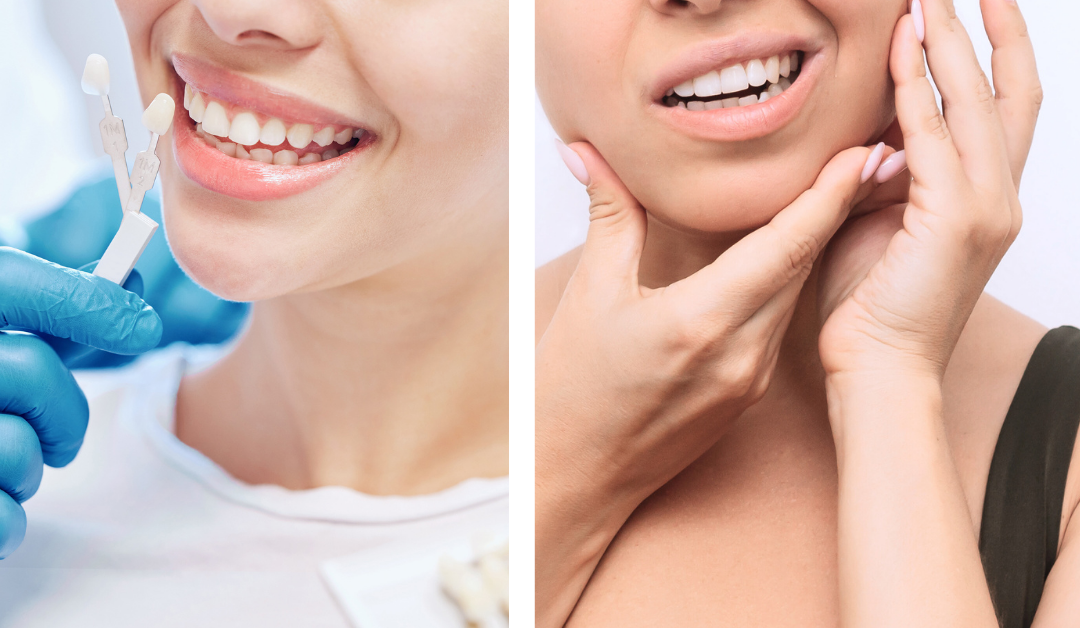
Dental bonding can help fix small chips, tiny gaps, or uneven edges. It uses a tooth-colored material that blends with your natural tooth. This treatment is often simple and can be a good choice for minor cosmetic issues.

Veneers may help when the concern is more noticeable. MouthHealthy explains that veneers can improve the look of chipped, broken, stained, crooked, or misshaped teeth, and they may also help cover gaps.

The right option depends on your tooth condition, smile goals, and budget.

Cosmetic Dentistry Can Support Oral Health

Cosmetic dental care is not only about appearance. In some cases, it can also support better oral health.

For example, fixing uneven edges may make your bite feel smoother. Closing certain spaces may reduce areas where food gets stuck. Restoring a broken tooth can protect it from more damage. Straightening teeth can also make brushing and flossing easier in some cases.

The American Academy of Cosmetic Dentistry says aesthetic dentistry should support overall oral health and should do no harm. This is why cosmetic care should always start with a dental exam.

A healthy foundation matters. If you have gum disease, decay, or bite problems, those may need attention before cosmetic treatment.

Helpful Cosmetic Options to Compare

Different treatments help with different concerns. Here is a simple guide:

Smile Concern Possible Treatment Why It May Help
Stained teeth Whitening Brightens natural tooth color
Small chip Bonding Repairs shape with tooth-colored material
Uneven front teeth Veneers Creates a smoother smile line
Old damaged tooth Crown Improves strength and appearance
Small gaps Bonding or veneers Helps create a more even look

This table is only a general guide. A dentist can tell you which treatment fits your teeth after checking your smile.

Affordable Options Can Be Planned Slowly

Many people worry about cost. That is normal. Cosmetic dental treatments can vary in price based on the service, materials, number of teeth, and case difficulty.

The good news is that affordable cosmetic dentistry does not always mean doing everything at once. You may start with whitening. Later, you may fix one chipped tooth. If you need more work, the dentist can help create a step-by-step plan.

This makes treatment feel easier and less stressful. It also helps you focus on the changes that matter most to you.

Patients searching for cosmetic dentistry richmond tx should ask about treatment choices, payment options, and what is included in the cost.

Hidden Dangers of Cosmetic Dentistry | Smile By Bis

Local Care Makes the Process Easier

Choosing a local dentist can make treatment more comfortable. You can ask questions, return for follow-ups, and get help if adjustments are needed.

Richmond Dentists may offer different cosmetic options, so it helps to compare experience, reviews, before-and-after photos, and communication style. You should feel comfortable explaining what bothers you about your smile.

At Glow Up Dentistry, patients can talk about smile goals and learn which cosmetic options may fit their teeth, comfort level, and budget.

Final Thoughts

Cosmetic dentistry can help improve tooth color, shape, balance, and confidence. It can also support better comfort and oral health when planned the right way.

The best treatment is not always the biggest one. Sometimes, a small change is enough. A brighter shade, smoother edge, or repaired chip can help your smile feel fresh again.

Before choosing treatment, talk with a dentist, ask questions, and understand your options. A good plan should fit your smile, your health, and your budget.

FAQs

Can cosmetic dentistry help with badly stained teeth?

Yes, cosmetic dentistry may help with stained teeth through whitening, veneers, or bonding. The right option depends on the type of stain and whether you have crowns, fillings, or veneers that will not whiten.

Is cosmetic dentistry only meant for younger patients?

No, cosmetic dentistry is not only for younger patients. Adults of many ages choose treatment for stains, chips, gaps, or worn teeth. The dentist will check your oral health before suggesting the best option.

How do I choose the right cosmetic treatment?

Start with a dental exam and explain what bothers you most. The dentist can review your teeth, gums, bite, and smile goals. Then, they can suggest a treatment that fits your needs and budget.

dentures in Cudahy

Replace Missing Teeth with Comfortable Dentures

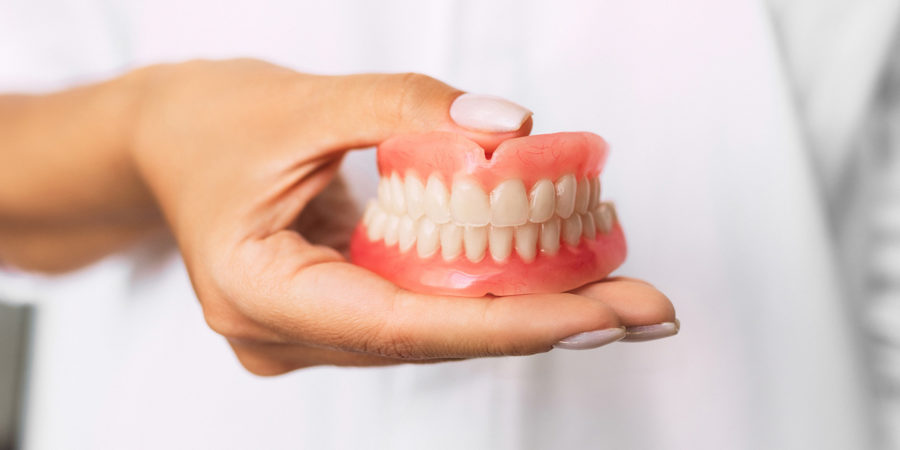
A missing tooth can affect your smile but losing several teeth can impact your entire lifestyle. Eating favorite foods, speaking clearly and feeling confident in public may suddenly become difficult. Many people struggle silently because they think dentures will feel uncomfortable or look unnatural.

Thankfully modern dentures have changed a lot over the years. Today they are lighter, better fitting and designed for everyday comfort. If you are looking for quality Dentures in Cudahy this guide explains how dentures can help restore both your smile and confidence.

How Missing Teeth Affect Daily Life

Tooth loss creates more challenges than most people realize. It can slowly affect both physical health and emotional wellbeing.

Eating Becomes Frustrating

Crunchy foods meats and some vegetables may become difficult to chew properly.

Smiling Feels Uncomfortable

Many people hide their smile after losing teeth which affects confidence in social situations.

Jawbone Weakness Can Develop

Missing teeth reduce support for the jaw which may change facial appearance over time.

People in Cudahy often seek treatment early to avoid these long-term issues.

Why Comfortable Dentures Matter So Much

Dentures should not only replace teeth. They should also feel secure and natural during daily activities.

Better Comfort Means Better Confidence

Well fitted dentures reduce irritation and make speaking easier.

Stronger Bite Improves Nutrition

Comfortable dentures help people return to eating healthier foods again.

Proper Fit Prevents Gum Problems

Loose dentures may create sore spots and discomfort if not adjusted properly.

Many patients searching for custom dentures in Cudahy want dentures that support both comfort and appearance.

Signs It May Be Time for Dentures

Some people delay treatment because they are unsure if dentures are necessary.

Here are common signs:

Common Problem Possible Solution
Multiple missing teeth Partial dentures
Loose damaged teeth Full dentures
Difficulty chewing Custom denture fitting
Speech difficulties Denture replacement

A trusted Dental Care Clinic in Cudahy can help determine the best treatment option for your needs.

Different Denture Options Available

Not everyone needs the same type of dentures. Dentists usually recommend options based on oral health and missing teeth.

Full Dentures

These replace all teeth in the upper or lower jaw.

Partial Dentures

These are designed for patients who still have healthy natural teeth remaining.

Flexible Dentures

Soft materials make these more comfortable for sensitive gums.

Implant Supported Dentures

These attach more securely for improved stability.

Many patients choose partial dentures in Cudahy because they provide support without replacing every tooth.

What Makes Modern Dentures Look Natural

One reason people avoided dentures in the past was the unnatural appearance. Modern dentures are now designed differently.

Natural Tooth Shades

Dentures are matched to realistic tooth colors instead of bright artificial shades.

Better Gum Design

Modern materials mimic natural gum tissue for a softer appearance.

Personalized Shape and Fit

Dentures are customized to fit your smile and facial structure.

Clinics like South Shore Dentistry & Implant focus on creating dentures that blend naturally with facial features.

Simple Habits That Help Dentures Last Longer

Taking care of dentures properly helps improve comfort and durability.

Clean Dentures Every Day

Daily cleaning removes bacteria food particles and stains.

Avoid Extremely Hot Water

Hot water may damage denture shape over time.

Remove Dentures While Sleeping

Giving gums rest helps prevent irritation.

Keep Regular Dental Visits

Routine appointments help maintain fit and oral health.

Patients receiving Dentures in Cudahy often find that proper care keeps dentures comfortable for many years.

Emotional Benefits of Replacing Missing Teeth

Restoring your smile is not only about appearance. It can also improve mental and emotional wellbeing.

Many patients report:

  • Feeling more confident socially
  • Smiling more often
  • Speaking more comfortably
  • Enjoying meals again
  • Feeling younger and healthier

That is why clinics like South Shore Dentistry & Implant continue helping patients regain confidence through comfortable denture solutions.

Conclusion

Modern dentures can make a major difference in daily comfort confidence and oral health. Replacing missing teeth helps improve eating speaking and smiling while supporting better quality of life overall.

If you are considering custom dentures in Cudahy now is a great time to explore treatment options that feel natural comfortable and affordable.

FAQs

Can dentures feel comfortable during everyday normal activities?

Yes modern dentures are designed for comfort stability and easier daily use while eating speaking and smiling naturally.

Are dentures only needed after losing all teeth?

No many patients use partial dentures when only several teeth are missing while healthy teeth still remain.

How long do modern dentures usually last properly?

With proper cleaning and regular dental visits dentures can often last several years before replacement or adjustments become necessary.

Emergency Dental Services

Emergency Dental Services: Types and Benefits

Dental emergencies can happen unexpectedly. Whether it’s a sudden toothache, a knocked-out tooth, or a broken filling, dental problems can cause pain and stress. In these situations, having access to Emergency Dental Services can make all the difference in getting relief quickly and preventing further complications. For those in Cypress, understanding the types of emergency dental care available and their benefits is crucial.

In this guide, we will explore the most common types of Emergency Dental in Cypress, why seeking timely care is important, and how to find the best dentist in Cypress TX to address urgent dental issues.

What Are Emergency Dental Services?

Emergency Dental Services are designed to provide immediate care for dental problems that require urgent attention. Unlike regular dental visits, emergency care is needed for situations where there is sudden pain, injury, or infection. It’s important to seek prompt care to prevent the situation from worsening and to alleviate discomfort.

In Cypress, an Emergency Dental Care Clinic can provide the necessary treatment to handle these urgent issues. These services are available for a variety of dental concerns, from tooth pain to more serious injuries.

Common Types of Emergency Dental Services

Dental emergencies vary from minor inconveniences to severe issues that need immediate attention. Here are the most common types of emergency dental services that you may need:

Tooth Pain and Sensitivity

Severe tooth pain can be a sign of multiple issues, such as cavities, abscesses, or tooth infections. If you experience persistent pain or sensitivity that doesn’t go away, it’s essential to visit an Emergency Dental Care Clinic in Cypress for an evaluation. Ignoring tooth pain can lead to more severe damage, including tooth loss.

Knocked-Out Tooth

One of the most alarming dental emergencies is when a tooth is knocked out. The first 30 minutes to an hour are critical to save the tooth. If a permanent tooth is knocked out, it may be possible to re-implant it if you act quickly. If you’re in Cypress, seeking Emergency Dental in Cypress immediately increases the chances of saving the tooth.

To increase the chances of re-implantation, hold the tooth by the crown, avoid touching the root, and keep the tooth moist by placing it in a glass of milk or the patient’s mouth while rushing to the dentist.

Broken or Cracked Teeth

Teeth can break or crack due to trauma, biting hard foods, or decay. A broken tooth can cause sharp edges that may injure your gums or tongue, while a cracked tooth can lead to pain, especially when chewing. An Emergency Dental Care Clinic in Cypress can provide quick treatment to alleviate pain, prevent further damage, and restore the tooth’s function.

Loose Fillings or Crowns

A loose filling or crown can be uncomfortable and may expose the underlying tooth to bacteria and further damage. If a filling or crown falls out, it’s important to seek immediate dental care to avoid infection and further decay. While you wait for your appointment, you can use temporary dental cement available at most pharmacies to cover the exposed area.

Abscess or Infection

A dental abscess is a pocket of pus caused by bacterial infection. Abscesses can be extremely painful and may cause swelling, fever, and bad breath. If left untreated, the infection can spread to other parts of the body, making it a serious concern. Seeking Emergency Dental in Cypress for prompt treatment can prevent the infection from worsening and alleviate pain.

Soft Tissue Injuries

Soft tissue injuries to the gums, lips, or cheeks can occur due to falls, accidents, or trauma to the mouth. These injuries can be painful and may require stitches or special care to heal properly. Emergency care for soft tissue injuries involves cleaning the wound, stopping bleeding, and offering advice on how to care for the injury while it heals.

Why You Should Seek Emergency Dental Care

Ignoring a dental emergency can result in more severe problems down the line. Here’s why seeking prompt treatment is essential:

Immediate Pain Relief

One of the main reasons people seek Emergency Dental Services is to get relief from severe tooth pain. A dentist can evaluate the issue and offer pain management options to provide immediate comfort.

Prevent Further Damage

Delaying dental treatment for a serious issue can lead to further damage. For example, an untreated infection can spread to other teeth, gums, and even other parts of the body. Seeking immediate care can prevent complications and reduce the need for more invasive treatments in the future.

Increased Success of Treatment

The quicker you seek help for dental issues like a knocked-out tooth or infection, the more likely the treatment will be successful. Dental problems treated early have higher success rates, whether it’s re-implanting a tooth or managing an infection.

Preserving Your Natural Tooth

If you act quickly in the event of a dental emergency, it’s often possible to preserve your natural teeth. For example, re-implanting a knocked-out tooth is more successful within the first hour after the injury.

Reduce Long-Term Costs

By seeking emergency dental care promptly, you can potentially reduce the long-term costs associated with more extensive treatments. Early treatment prevents issues from escalating and leading to costly procedures such as root canals, extractions, or surgeries.

How to Find Reliable Emergency Dental Services in Cypress

Finding reliable Emergency Dental in Cypress is essential to ensure you get the care you need when you need it. Here are a few tips for locating a trusted emergency dental provider:

  • Check reviews: Online reviews can help you find a dentist with a good reputation for handling emergency dental care.
  • Look for a 24/7 emergency service provider: Some dental offices offer after-hours or weekend emergency care.
  • Ask for recommendations: If you’re unsure, ask friends, family, or coworkers for recommendations based on their experiences.
  • Ensure comprehensive care: Choose a dentist who can handle a variety of emergencies, from tooth pain to trauma.

For those in Cypress, choosing a dental office that offers comprehensive emergency services, like Cypress Towne Dental, ensures that you have a trusted professional ready to provide immediate care when needed.

What to Do in a Dental Emergency

If you’re faced with a dental emergency, here’s what you can do before you get to the dentist:

  • For tooth pain: Use over-the-counter pain relievers and apply a cold compress to reduce swelling.
  • For a knocked-out tooth: Keep the tooth moist and visit your dentist immediately.
  • For a broken tooth: Save any pieces and cover sharp edges with gauze to avoid injury.
  • For infections or abscesses: Rinse with warm saltwater to help reduce pain and swelling, but seek urgent care.
  • For soft tissue injuries: Apply a clean cloth or gauze to stop bleeding and visit a dentist for proper care.

When to Call an Emergency Dentist

You should call an emergency dentist if you experience any of the following:

  • Severe, unmanageable pain
  • Knocked-out or broken teeth
  • Visible damage to teeth or gums
  • Swelling or signs of infection
  • Difficulty swallowing or breathing

Final Thoughts

Dental emergencies can happen when you least expect them. Whether it’s a sudden toothache, a knocked-out tooth, or an infection, Emergency Dental Services are crucial to prevent long-term damage and pain. In Cypress, having access to a reliable emergency dental provider like Cypress Towne Dental ensures that you and your family can get the immediate care you need.

If you’re ever in need of emergency dental care, remember to act quickly. Prompt treatment can save your tooth, reduce pain, and prevent further complications. Make sure you have an emergency dentist’s contact information on hand, and don’t hesitate to seek care if you encounter a dental emergency.

FAQs

What should I do if I knock out a tooth?

If you knock out a tooth, try to place it back in its socket, or keep it in a glass of milk. Visit an Emergency Dental Care Clinic in Cypress immediately to increase the chances of saving the tooth.

How can I relieve tooth pain before seeing the dentist?

For temporary relief, use over-the-counter pain medications, apply a cold compress, and avoid hot or cold foods. Book an appointment with your dentist as soon as possible for a proper diagnosis and treatment.

Can a broken tooth be fixed immediately?

In many cases, a broken tooth can be fixed quickly, especially if the treatment is sought right away. Visit an Emergency Dental Care Clinic in Cypress to get the proper treatment for broken teeth.

Tartar breaking off teeth

Tartar Breaking Off the Back of Teeth: Causes and What It Means

It can feel strange when a hard piece seems to come off the back of your tooth. Some people notice it while brushing. Others feel it while eating. Then they start to wonder if it was food or something from the tooth itself. In many cases, that hard piece is tartar, also called calculus. Plaque that is not cleaned away can harden into tartar, and once it forms, it is much harder to remove at home.

If you are dealing with tartar breaking off teeth, it usually means buildup has been sitting there for a while. It may seem like a good thing because some of it came off, but it does not mean the tooth is fully clean. Tartar often leaves more buildup behind, and it can also be linked with gum irritation, bad breath, and bleeding.

This guide explains what tartar is, why it often builds up behind teeth, why a piece may break off, and what you should do next. If you are in Houston and this has happened to you, this will help you understand when it is just a warning sign and when it is time to visit a Dental Care Clinic in Houston.

What Tartar Really Is

Tartar is a hardened plaque. Plaque is the sticky film of bacteria that forms on teeth every day. If that film is not removed well with brushing and cleaning between the teeth, it can harden and become tartar over several days. Once that happens, a toothbrush alone cannot remove it. A dentist or dental hygienist usually has to remove it with professional tools.

Tartar is often hard and crusty. It may look yellow, brown, or darker in some areas. Dental Clinic lists common tartar signs as stains on the teeth, bad breath, and red, swollen, or bleeding gums. That is why tartar is not only a cosmetic issue. It can affect the health of your gums too.

Why Tartar Often Forms on the Back of Teeth

The back of the teeth is one of the easiest places to miss when brushing. It is less visible in the mirror. It is also harder to reach well, especially near the gumline. When plaque stays in those hidden areas, it has more chance to harden into tartar.

This is why many people first notice tartar behind their lower front teeth or around back molars. Those spots can collect buildup faster, and once tartar forms there, daily cleaning becomes even harder. ADA sources note that tartar along the gumline makes brushing and cleaning between teeth more difficult.

If you live in Houston and have felt rough buildup on the back of your teeth for a while, tartar may be the reason. It often sits there quietly until a piece loosens.

What It Means When Tartar Breaks Off

When tartar becomes thick, a piece can sometimes loosen and break away. This may happen while brushing, flossing, chewing hard food, or even when the area around the gums changes. The important thing to know is this: if tartar broke off, that does not mean the problem is solved. It usually means there is or was enough buildup for it to harden and become brittle.

A lot of people ask, is tartar breaking off a good sign? Not really. It may seem better than having it stuck there, but it usually points to an ongoing oral hygiene problem that still needs attention. Tartar can hide more buildup underneath or nearby, and it can be linked with gingivitis, which causes red, swollen, and bleeding gums.

Common Reasons Tartar May Break Off

Thick buildup became brittle

Old tartar can become hard and crust-like. Dental Clinic describes tartar as a hard coating on the teeth. When it gets thick enough, a small section may crack or loosen.

Brushing or flossing loosened it

Brushing and flossing remove plaque, but they do not fully remove tartar once it forms. Still, they may catch the edge of a tartar deposit and loosen a piece.

Hard food knocked it loose

Crunchy or firm foods can hit a tartar deposit and make a brittle piece break off. That can make the tooth suddenly feel less rough in one spot but still dirty in others. This is one common way people notice tartar breaking off teeth.

Gum changes exposed the buildup

If the gums are swollen or irritated, tartar may sit partly under or near the gumline. NHS and hospital oral health materials note that plaque and calculus around the gum margin can lead to gum inflammation and bleeding. If the gum changes shape, a tartar edge may become more exposed and easier to break away.

Signs Tartar May Still Be Left Behind

If a piece came off, there may still be more there. Watch for these signs:

  • your teeth still feel rough behind the teeth
  • yellow or brown buildup is still visible
  • your gums look red or swollen
  • bad breath does not improve
  • floss catches in one spot
  • your mouth still feels unclean after brushing.

These signs matter because tartar makes it harder to clean around the gumline, and that can keep irritation going.

How Tartar Affects Teeth and Gums

Tartar is more than a rough deposit. It can lead to gum problems because it holds bacteria close to the gumline. When plaque and tartar stay there, gums can become inflamed. That early stage is gingivitis. Gum tissue may look red, feel swollen, and bleed during brushing.

If gum disease keeps getting worse and is left untreated, it can progress to periodontitis. Dental Clinic notes that periodontitis can lead to bone loss, tooth loss, bad breath, and other oral health problems. That is why tartar should not be ignored just because one small piece came off.

What You Should Do If Tartar Broke Off

Do not try to scrape the rest off with metal tools, pins, or anything sharp. Tartar is attached to the tooth surface, and trying to remove it yourself can hurt your gums or scratch the tooth. Professional removal is safer. Multiple dental and NHS sources state that tartar cannot be removed by brushing and needs professional removal by a dentist or hygienist.

Brush gently but thoroughly. Floss carefully. Keep your mouth clean. Then book a professional cleaning if you still feel rough buildup or can see more tartar behind the teeth. This is the best next step whether you are in Houston or anywhere else. A Dental Care Clinic in Houston can remove the remaining tartar safely and also check whether your gums have been affected.

How Dentists Remove Tartar Safely

Dentists and hygienists remove tartar with professional cleaning tools. If the buildup has also affected the gums more deeply, treatment may include scaling and root planing, which is a deep cleaning below the gumline used to treat gum disease. MouthHealthy explains that plaque trapped in gum pockets cannot be removed with regular brushing alone.

This is another reason the answer to is tartar breaking off a good sign is usually no. The right goal is not waiting for tartar to fall off by itself. The right goal is removing it fully and safely before it keeps irritating your gums.

How to Lower the Chance of Tartar Coming Back

The best way to reduce tartar is to stop plaque from sitting on the teeth too long. Brush twice a day. Clean between your teeth daily. Pay extra attention to the back of the teeth and the gumline. ADA sources note that flossing and cleaning between teeth help prevent plaque from hardening into tartar.

Regular dental cleanings matter too. If you build tartar quickly, do not wait until another piece breaks off. Get checked sooner. For people in Houston, that may mean booking a visit with a Dental Care Clinic in Houston before the buildup becomes heavy again.

Final Thoughts

If the tartar broke off, do not panic. But do not ignore it either. It usually means plaque was left on the teeth long enough to harden, and there may still be more buildup behind the teeth or near the gums. Tartar is linked with bad breath, gum irritation, and harder-to-clean teeth, so it is best treated as a sign that your mouth needs attention.

If you are seeing tartar breaking off teeth and your gums bleed, feel sore, or your teeth still feel rough, a professional cleaning is the safest next move. That is the best way to get a real answer and protect your smile long term.

Dental Clinic

5 Things a Great Dental Clinic Should Always Have

Let’s be real for a second. Picking a new dentist is a huge headache. You want someone who actually knows their stuff, but you also don’t want to feel like you’re sitting in a cold, scary lab. If you’re living in Houston, you already know there are a ton of options out there. But they aren’t all built the same. Finding a top-tier Houston dental clinic is about more than just a sign on a door. It’s about finding a place that makes you feel relaxed, not jittery.

Whether you’re hunting for a spot for yourself or a family dental clinic Houston neighbors actually trust, you need to look for a few specific things. These are the “must-haves” that turn a stressful chore into a simple, easy visit.

A Team That Actually Smiles Back

First impressions are everything. Seriously. When you walk into a Houston dental clinic, the vibe should hit you immediately. Is the front desk person buried in paperwork, or do they look up and say hi? A great clinic treats you like a human being, not just a line on a spreadsheet.

If they are patient with your insurance questions and actually listen to your scheduling needs, that’s a massive green flag. You want a team that feels like neighbors. When the staff is friendly, you’re way less likely to “forget” your next appointment because of nerves.

A Spotless, High-Tech Space

You deserve a clinic that looks like it belongs in this century. A solid family dental clinic Houston residents love is always going to be incredibly clean. But it’s not just about the smell of lemon polish. It’s about the gear they use.

  • Shiny, tidy rooms: You want to see that everything is sterilized and ready to go.
  • Modern gadgets: Digital X-rays are a big deal. They’re faster and way safer.
  • Little comforts: TVs on the ceiling or cozy blankets can take the edge off a long procedure.

If they are keeping up with the latest tech, it shows they care about making your life easier. It means less time in the chair and better results.

The Magic of a Proper Scrub

A lot of people think brushing at home is enough. Spoilers: it isn’t. Even if you’re a pro flosser, stuff still hides in the corners. That’s why a professional cleaning dentist visit is a total game-changer.

When you get a professional cleaning dentist to handle your smile, they use tools that can reach where your toothbrush can’t. They get rid of “tartar.” That’s the hard, crusty stuff that causes cavities and bad breath.

  • It brightens your teeth by removing coffee and tea stains.
  • It keeps your gums from getting red and puffy.
  • It catches tiny problems before they turn into expensive nightmares.

Think of it like a deep detail for your car. You can wash it in the driveway, but every now and then, you need a pro to get it looking brand new again.

No Secrets About Meds or Prices

A great dentist shouldn’t talk in riddles. If something is wrong, they should tell you straight up. For example, if you’ve got a nasty ache or some swelling, you might need a prescription. They might suggest augmentin for tooth infection to kill off the bacteria.

A good doc will explain that augmentin for tooth infection is a powerful antibiotic. They’ll tell you exactly how to take it and why it’s the best choice for you. You should never feel like you’re being pushed into a treatment you don’t understand.

The same goes for the bill. No one likes surprise costs. A trustworthy family dental clinic Houston families stick with will always be honest about the price before the work even starts. They’ll help you navigate your insurance so you aren’t left guessing.

Keeping it Local in the City

Living in Houston means you’re always on the move. Traffic is no joke. That’s why finding a clinic close to home is a lifesaver. When your dentist is just down the street, you’re much more likely to show up.

Plus, emergencies happen. If you chip a tooth or wake up with a throbbing pain, you don’t want to be driving across the state. A local spot knows you. They know your history. They remember that you’re nervous about needles or that your kid loves the strawberry-flavored polish. That personal touch matters.

Why This Investment Matters

At the end of the day, your smile is your calling card. It’s the first thing people see. Keeping it healthy isn’t just about vanity; it’s about your overall health. Bad teeth can lead to all sorts of other issues down the road.

By finding a Houston dental clinic that checks all these boxes, you’re setting yourself up for success. You’re getting the care you need without the “dental dread” that keeps so many people away from the office.

The Bottom Line

Don’t settle for a “meh” dentist. Look for the place that feels right. Look for the clean floors, the high-tech tools, and the people who actually care. Whether you’re just in for a professional cleaning dentist session or you’re dealing with a serious issue and need augmentin for tooth infection, you deserve the best.

Your mouth will thank you, and honestly, your bank account probably will too. Regular care is always cheaper than emergency surgery. So, take a look around your neighborhood. Find that perfect family dental clinic Houston spot and get your smile back on track.

Dental Bridges

The Impact of Dental Bridges on Your Overall Oral Health

Ever lost a tooth and felt like your whole world changed? Missing teeth mess with way more than just how you look – they throw off everything from your daily meals to the way you talk. That’s where dental bridges come in. They’re basically the unsung heroes of dentistry, fixing both the practical stuff and giving you back that confident grin.

What Are Dental Bridges?

Think of a dental bridge as a replacement tooth that literally bridges the gap where you’re missing one. Pretty straightforward, right? It attaches to your natural teeth on both sides, kind of like how a real bridge has supports on each end. Those neighboring teeth become anchors.

Here’s the cool part – these bridges are custom-made just for you. They match your other teeth perfectly, so nobody’s gonna notice it’s not the real deal. Most are crafted from porcelain or metal, sometimes both. Your dentist will walk you through which type works best depending on where the gap is and what fits your budget.

How Dental Bridges Help Your Mouth

Losing a tooth sets off a chain reaction of problems. Bridges stop all that chaos before it starts.

Filling That Awkward Gap

That empty spot can make you super self-conscious. You might catch yourself covering your mouth when you laugh or avoiding photos. A bridge fixes that instantly, giving you your full smile back.

Making Meals Enjoyable Again

Try eating an apple with missing teeth. Not fun, is it? You end up skipping the good stuff – crunchy veggies, your favorite meats, even certain fruits. A dental implant bridge Houston folks rely on brings back your ability to eat whatever you want.

Speaking Without That Weird Whistle

Missing teeth, especially up front, can totally change how you sound. Maybe you’ve noticed a whistle when you say certain words. Bridges fix that by putting your tongue back where it needs to be.

How Bridges Protect Your Other Teeth

Here’s something most people don’t realize about a dental bridge houston patients love: it’s protecting all your other teeth from going haywire.

Keeping Everything in Place

When there’s a gap, your other teeth start wandering into that space like it’s open real estate. Sounds weird, but it happens slowly over months. Next thing you know, your bite’s all messed up and teeth are crooked. Bridges keep everyone where they belong.

Maintaining That Perfect Bite

Your teeth fit together like puzzle pieces. Lose one piece and the whole puzzle suffers. Over time, you’ll wear down your remaining teeth unevenly. Bridges keep that balance intact and save your jaw from misery too. When your bite’s off-balance, your jaw joints take a beating – headaches, jaw soreness, maybe even TMJ issues. Nobody wants that.

Good Things Bridges Do for Your Health

The perks go way beyond just your mouth.

Eating Nutritious Food Without Struggle

Can’t chew right? You’ll probably grab soft, processed junk instead of healthy options. With a bridge, suddenly those crispy salads and fresh apples are back on the menu. Better food choices mean more energy and better overall health.

Dodging Gum Disease

Those empty spaces are like bacteria hotels – food gets stuck, germs multiply, and gum disease moves in. Bridges seal up those gaps, making your cleaning routine way more effective.

Keeping Your Face Looking Natural

Your teeth actually support your facial structure more than you’d think. Without them, cheeks cave in and you look older. Bridges give your face the support it needs to maintain its natural shape. Plus, when you feel good about your smile, you interact differently with the world. An affordable dental bridge clinic in Texas can completely transform how you carry yourself. That confidence boost is priceless.

Taking Care of Your Dental Bridge

Want your bridge to last? It’s all about the upkeep.

Daily Cleaning Habits

Treat your bridge like your real teeth – brush twice a day minimum with a soft toothbrush and fluoride toothpaste. You’ll need special floss threaders or those little interdental brushes to get under the bridge where normal floss won’t go.

Keeping Up with Checkups

Hit up your dental clinic in Houston twice a year for cleanings and exams. They’ll inspect your bridge for wear and make sure those anchor teeth and gums are staying healthy. Catching problems early saves you tons of money later.

Watch What You Bite Into

Bridges are tough, but not indestructible. Skip chewing ice cubes or hard candies. Sticky stuff like caramel’s also risky. When tackling harder foods, cut them smaller first.

Possible Problems to Know About

Nothing’s perfect. Here’s what to keep in mind.

Extra Cleaning Time Needed

You’ll spend a bit more time on your dental hygiene routine – maybe an extra three or four minutes daily to really get around and underneath it properly. Totally worth it to avoid bacteria buildup.

Your Anchor Teeth Work Harder

Those teeth holding up your bridge handle extra pressure every time you chew. Usually they’re fine with it, but you’ve gotta keep them strong with good brushing habits.

Eventually They Wear Out

Most bridges stick around for anywhere from 5 to 15 years if you treat them well. At some point though, normal wear means replacement time. Regular checkups help track how it’s holding up.

Wrapping Things Up

Dental bridges are seriously underrated. They’re doing way more than just filling holes – they’re protecting your other teeth, keeping your jaw happy, and helping you stay healthier overall. Take decent care of one and it’ll serve you well for years. If you’re dealing with missing teeth, have that conversation with your dentist about whether a bridge makes sense. Acting sooner rather than later prevents way bigger issues and gets you back to smiling without worry.

Frequently Asked Questions

How long before a dental bridge feels normal?

Give it a couple weeks, maybe three at most. The first few days feel pretty strange – your mouth’s adjusting to something new being there. You might produce extra saliva or feel a bit of sensitivity, but that stuff fades fast. Before you know it, talking and chewing will feel completely natural again, like the bridge was always there.

Can I eat my favorite foods with a bridge?

Absolutely! Just ease into it for the first few days with softer stuff while you get comfortable. After that, go ahead and enjoy your regular meals. Just be smart about it – super hard or sticky foods can damage the bridge, so maybe skip the hard candy binges. Cutting tougher foods smaller helps protect your investment and makes eating easier anyway.

How do I tell if something’s wrong with my bridge?

Pay attention to how it feels. If it starts feeling loose, hurts when you chew, or you notice sensitivity in the teeth holding it up, call your dentist ASAP. Sharp edges appearing out of nowhere or bad breath that won’t quit even after brushing could mean bacteria’s building up underneath. Your regular checkups catch most issues early before they turn into expensive nightmares though.

Yak Milk Chews A Natural Treat Dogs Truly Love

Dog owners today are far more conscious about what they feed their pets, and that awareness has pushed natural treats into the spotlight. Yak milk chews have quickly become a favorite because they are simple, wholesome, and incredibly satisfying for dogs who love to chew. These treats offer more than entertainment, giving dogs a safe outlet for chewing while supporting overall wellness.

Unlike highly processed snacks, yak milk chews come from traditional recipes that rely on natural ingredients. Their growing popularity is not just a trend but a response to pet parents seeking better, healthier options for their furry companions.

What Makes Yak Milk Chews Special

Yak milk chews are crafted using milk sourced from yaks and cows, slowly hardened through traditional drying methods. This process creates a dense chew that lasts far longer than many common treats. Dogs enjoy the rich flavor while owners appreciate that the treat does not crumble easily or leave a mess behind.

Another standout quality is their digestibility. Because yak milk chews are free from artificial additives and harsh chemicals, they are gentle on a dog’s stomach. This makes them suitable for many dogs with food sensitivities who struggle with standard rawhide or synthetic chews.

A Treat Rooted in Tradition

The origins of yak milk chews trace back to Himalayan regions, where similar cheese snacks have been enjoyed for generations. This traditional approach emphasizes slow preparation and minimal ingredients, which translates well into a modern dog treat that aligns with clean feeding habits.

By preserving this method, yak milk chews maintain a natural nutritional profile that supports canine health while delivering a taste dogs instinctively enjoy.

Health Benefits for Dogs of All Sizes

One of the biggest advantages of yak milk chews is their contribution to dental health. The firm texture encourages prolonged chewing, which helps reduce plaque buildup and supports healthier gums over time. Regular chewing can also promote fresher breath, something every dog owner can appreciate.

Yak milk chews also provide essential nutrients like protein and calcium. These elements play a role in maintaining strong bones and muscles, especially for active dogs. Since the chew lasts longer, dogs stay mentally engaged, which helps combat boredom and destructive behavior.

Supporting Calm and Focused Behavior

Chewing is a natural stress reliever for dogs. Yak milk chews offer a satisfying way for dogs to release pent-up energy and anxiety. This can be particularly helpful during quiet evenings, crate time, or when dogs are left alone for short periods.

Providing a high-quality chew can turn restless moments into calm, focused chewing sessions that benefit both the dog and the household.

Why a 6 Pack Yak Milk Chews Is a Smart Choice

Choosing a 6 Pack Yak Milk Chews offers convenience and value for dog owners who want to keep their pets consistently supplied with a favorite treat. Having multiple chews on hand means fewer last-minute purchases and a steady routine that dogs quickly come to love.

A multipack is also ideal for households with more than one dog or for owners who like to rotate treats while maintaining consistency in quality. Each chew delivers the same trusted benefits, making it easier to manage treat time without compromise.

Perfect for Training and Rewards

While yak milk chews are not a quick snack, they make an excellent reward after training sessions or long walks. Offering a chew as a post-activity treat reinforces positive behavior and gives dogs something special to look forward to.

With a 6 Pack Yak Milk Chews, it becomes simple to reserve chews for meaningful moments, turning them into a powerful motivational tool.

Safety and Proper Use of Yak Milk Chews

Safety is always a top priority when introducing any new treat. Yak milk chews are known for their durability, but supervision is recommended, especially for aggressive chewers. Monitoring ensures that dogs enjoy the chew safely and helps prevent swallowing pieces that are too large.

When a chew becomes small, many owners choose to soak it in warm water and microwave it briefly to create a crunchy puff. This extends the life of the chew while maintaining safety and enjoyment.

Choosing the Right Size for Your Dog

Selecting the correct size chew is essential. Larger dogs benefit from thicker chews that withstand strong jaws, while smaller dogs need appropriately sized options to ensure comfort and safety. Matching the chew to your dog’s size enhances the experience and reduces risks.

By paying attention to size and usage, yak milk chews can be a reliable part of your dog’s routine.

A Natural Choice for Modern Pet Parents

Yak milk chews fit perfectly into a lifestyle that values natural products and thoughtful care. They align with the desire to provide dogs with treats that are both enjoyable and beneficial. Their simplicity, durability, and nutritional value set them apart from many alternatives on the market.

For dog owners seeking a dependable, wholesome option, yak milk chews deliver satisfaction on every level. Choosing a 6 Pack Yak Milk Chews adds convenience and peace of mind, ensuring your dog always has a treat that supports health, happiness, and natural chewing instincts.

Page 1 of 2

Ilmaisen julkaisemisen puolesta: Blogaaja.fi