
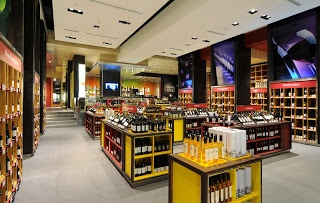
Buying beer for a gathering is a different task from choosing a pack for yourself. Your favorite style may not suit everyone, refrigerator space is limited, and a large assortment can become difficult to manage. The answer is a small, thoughtful selection built around the people and food involved.
Before visiting a beer store in Paramus, NJ, decide what kind of gathering you are hosting. An afternoon cookout, a sit-down dinner, and a short game-night visit create different serving needs. The setting helps you choose formats and styles without assuming every guest wants the same thing.
A useful plan covers taste, quantity, chilling, and alternatives. When those pieces work together, the drinks table becomes easier for guests to navigate and easier for you to maintain.
Ask About Preferences Before Buying
Start with what your guests are likely to enjoy. A quick message asking about preferred beer styles can prevent an overly narrow purchase. Someone may enjoy crisp lagers, while another prefers a more hop-forward beer. Others may want a non-alcoholic option or no beer at all.
You do not need an individual bottle for every person. Look for broad patterns and choose a manageable range. The goal is to give guests a few comfortable choices rather than build a complete beer festival in your kitchen. Browse the beer categories with these preferences in mind, then confirm the formats that fit your gathering.
Keep dietary questions separate from flavor questions. Do not assume a beer suits a particular restriction because of its color, style, or marketing language. If an ingredient matters to a guest, check the producer’s information or choose an alternative with details you can verify.
Build Around a Small Set of Styles
A balanced selection can start with one approachable option, one more distinctive style, and a suitable alternative. That structure is easier to shop for and explain than a random collection of packages chosen at the last minute.
For example, a crisp lager can provide a familiar starting point, while a pale ale may offer a different flavor direction. Depending on the group and meal, you might prefer an amber beer or a darker style instead. These are examples, not requirements for every gathering.
Think in terms of useful roles:
- A familiar choice for guests who want a straightforward beer.
- A different style for people interested in exploring.
- A clearly identified non-alcoholic or other beverage option.
Keep package labels visible so guests can choose without repeatedly asking you what is available.
Match the Beer to the Food and Setting
Food can guide the range without creating strict pairing rules. A cookout with grilled dishes may benefit from refreshing choices that work across several plates. A richer meal can make room for fuller malt flavors, provided those styles suit the people attending.
Consider seasoning as well as the main ingredient. A strongly spiced dish, a sweet barbecue sauce, and a lightly seasoned sandwich create different flavor combinations. If you ask for suggestions, describe the actual menu instead of saying only that you are serving meat or vegetables.
The setting matters, too. A gathering where guests move between outdoor seating and a food table needs simple service. Choose packaging you can keep cool, identify easily, and collect afterward. Practicality often contributes more to a relaxed event than adding another unusual beer style.
Compare Pack Formats Before Looking at Price
Packages can look similar while holding different can sizes or quantities. Check the number of containers and their volume before deciding which offers the better value. A larger can does not replace a smaller one in the same way for every serving plan.
A variety pack can be useful when its contents match your guests. It can be less useful when most people want only one style from the pack. Read the included beer names and styles rather than assuming variety automatically means a balanced purchase.
If your retailer sells individual cans or smaller packs, those formats may help you test a style before committing to more. Confirm the options rather than assuming every package can be split. Choose a quantity based on actual preferences and the length of your gathering, with room for non-beer choices.
Check Freshness Where It Matters
Freshness is particularly relevant for beers sold on bright hop aroma and flavor. Look for packaging or best-before information and understand which kind of date you are reading. Producers do not all use the same labeling system.
If a code is unclear, ask for help. A readable date is useful only when you know what it represents. Also pay attention to package condition. Avoid treating a damaged can or leaking bottle as an acceptable compromise just because it carries a discount.
A craft beer store may offer several styles with different intended drinking windows. Ask about the specific beer rather than applying one freshness rule to everything. For most casual gatherings, choosing beer intended for straightforward near-term enjoyment keeps the purchase uncomplicated.
Make a Chilling Plan Before Guests Arrive
Count your available refrigerator and cooler space before buying. A large purchase creates a problem if only a small portion can be served chilled. It is easier to solve this while planning than after guests have arrived.
Separate the first round of drinks from backup packages. Chill what you expect to serve first and organize the rest so you can restock without searching through bags. If using a cooler, keep styles grouped or labeled so guests do not need to dig through ice to identify them.
Keep water and other alternatives within easy reach. A drinks station should work for everyone attending. Beer and wine shopping can share one list, but chilled storage must account for all beverages rather than giving every available shelf to the beer purchase alone.
Prepare for Leftovers Without Overbuying
Unopened beer is easier to manage when you know what remains. Keep a simple record of packages purchased and avoid opening every variety pack immediately. This lets you see which styles guests actually prefer and which ones you should buy more cautiously next time.
Ask about return policies before purchasing if that affects your decision. Policies vary, and you should not build your budget around an assumed ability to return unused products. Buy for a realistic event rather than trying to eliminate every chance that a preference could change.
For a visit to USA Wine Traders Paramus, bring your guest preferences, broad menu, and available storage space into the conversation. Those details make it easier to discuss a focused selection. A successful gathering depends on matching the purchase to your plan, not on buying the widest possible range.
Label the Selection for Easy Self-Service
Guests should be able to identify a beer without reading every container in the cooler. Group matching packages together and leave one clear label visible where possible. If you provide a short description, use ordinary words such as crisp, hop-forward, or roasted rather than a long technical note. Keep the original packaging available for anyone who wants to check product information.
Separate non-alcoholic products clearly so guests do not need to guess from similar-looking cans. If a specific ingredient concern matters, direct the person to verified product information instead of improvising an answer. This small amount of preparation makes the serving area easier to use and reduces repeated questions while you are handling food. It also lets people make their own choices comfortably throughout the gathering, without depending on the host to remember every detail about each beer.
Final Thoughts
Beer shopping for a gathering works best when you plan for people, food, and storage together. Choose a few useful styles, compare package sizes carefully, and leave space for water and other alternatives. Before visiting a beer store in Paramus, NJ, check what your guests enjoy and what you can serve chilled. A smaller, well-organized selection can make hosting easier while giving everyone a clear choice.
FAQs
How many different beer styles should I offer?
Offer enough variety to cover your guests’ main preferences without making service complicated. A familiar style, a contrasting option, and a suitable alternative can provide a practical starting point for many small gatherings.
Are variety packs always the best choice for parties?
Not always. A variety pack helps when guests enjoy its included styles. Read the contents first, because buying several unwanted beers alongside one popular choice may offer less value than a focused selection.
What should I check before buying beer for an outdoor gathering?
Check guest preferences, package sizes, available cooler space, and how you will keep drinks organized. Plan water and other alternatives alongside beer so the serving setup works for everyone attending throughout the event.
Leave a Reply