
Perusta sinäkin oma Blogaaja.fi blogi ilmaiseksi >>
Lainaa.com

Read Our Latest News

Month: October 2026

Exploring a Whiskey and Bourbon Selection: Where to Start

A whiskey shelf can present many versions of what appears to be the same thing. Labels mention barrels, batches, age, proof, and finishes, while prices move across a wide range. Without a starting point, it is easy to choose by packaging or reach for a name you recognize.

The simplest way into a whiskey and bourbon selection is to begin with flavor and use. Think about whether you want a bottle for cocktails, a gift, or a style comparison. Then decide which qualities appeal to you and what you are comfortable spending.

You do not need to understand every production term before buying. A few distinctions and well-chosen questions can help you find a relevant bottle and understand why it belongs on your list.

Start With the Category on the Label

Whiskey is a broad category, and bourbon is one style within it. Other familiar labels include Scotch whisky, Irish whiskey, rye whiskey, and several additional regional or production traditions. These names offer direction, but each category contains substantial variety.

Do not assume all Scotch is smoky or all bourbon tastes the same. Production choices, aging, blending, and strength can create very different results. If you disliked one bottle, identify what bothered you before ruling out a whole category. Use the spirits selection to identify relevant categories, then compare the details on the specific bottles.

Ask for an explanation of the exact product rather than a summary of every whiskey tradition. For a first purchase, it is more useful to know how two relevant bottles differ than to memorize a long category chart that does not narrow your choice.

Describe the Flavors You Want

Think about familiar flavor directions. You may enjoy vanilla and toasted notes, fresh fruit, cereal-like qualities, baking spice, or a smoky character. You may also know that you prefer one of these to remain subtle rather than dominate the glass.

These descriptions are starting points, not a promise of added ingredients. A tasting note describes a perceived resemblance. If ingredient information matters for a dietary reason, check producer details rather than treating a flavor description as a complete ingredient list.

Tell the retailer what you want to avoid as clearly as what you enjoy. Saying you want a whiskey without pronounced smoke or with less oak emphasis gives practical direction. A request for the smoothest bottle can be harder to interpret because people use smooth to mean different things.

Understand Strength Before Comparing

Alcohol strength affects how a spirit feels and how it behaves in a mixed drink. Check the alcohol by volume shown on the label. If a bottle also uses proof, make sure you understand the labeling context rather than comparing numbers without knowing what they represent.

A higher strength does not automatically make a bottle better. It may appeal to someone seeking a particular style or a cocktail with a strong base, while another buyer may prefer a different balance. The useful question is how the strength relates to your purpose.

When making a comparison, consider:

  • The flavor direction you are seeking.
  • The stated alcohol strength.
  • How you intend to serve the spirit.
  • Your experience with similar bottles.

Keeping these details together prevents one large number on the label from becoming the entire reason for the purchase.

Winestore

Treat Age as Information Rather Than a Ranking

An age statement can tell you something useful about a whiskey, but it cannot tell you whether you will prefer it. Time in wood interacts with the spirit, barrel, and conditions. Older does not simply mean a stronger version of better.

Some buyers enjoy pronounced oak influence, while others prefer fresher grain or fruit character. A bottle without an age statement may still suit a particular purpose well. Evaluate what the product offers instead of assuming age alone defines value.

Ask how the aging or finishing process affects the specific bottle. A clear answer might discuss texture, oak, fruit, or spice. That explanation helps you decide whether the resulting style sounds appealing. It also makes the price easier to assess alongside your own preferences.

Match the Bottle to Its Job

A cocktail bottle should work with the recipe you plan to make. Tell the retailer the drink rather than asking for any inexpensive whiskey. Different combinations may benefit from different flavor profiles and strengths, so the intended use gives important context.

For a gift, begin with the recipient’s known preferences. An unusual release is not automatically a welcome surprise. If they enjoy a familiar bourbon, a related style with a clearly explained difference may be more relevant than moving to a completely different whiskey tradition.

For exploration, choose a bottle that answers one question. You might want to learn how rye-led flavors compare with a familiar bourbon or how a particular finish changes the impression. One focused difference makes the purchase easier to understand afterward.

Compare Price and Product Carefully

Check the exact expression, volume, and strength when comparing prices. Similar labels can conceal different releases. A bottle photograph is helpful, but the smaller print may be necessary to confirm you are looking at the same product.

Do not let scarcity replace judgment. A hard-to-find bottle may interest collectors, but limited availability does not guarantee that its flavor suits you. If your purpose is a dinner gift or a home cocktail, ask whether an available alternative fits that purpose more comfortably.

A premium spirits store should give you a way to understand the relevant differences. Ask why one option costs more and what you are likely to notice. You can then decide whether the explanation adds value for this purchase rather than accepting price as the only guide.

Keep a Record of What Worked

After using a bottle, note how you served it and what you noticed. Was it more oak-heavy than expected? Did its flavor remain clear in the cocktail? Would you buy it again for the same purpose? These questions turn an ordinary purchase into useful experience.

Keep the language simple and consistent. A few words about fruit, spice, sweetness impression, smoke, or texture will help more than an elaborate note you do not understand later. Save a label photo to identify the exact version.

On a visit to a spirits store in Paramus, NJ, bring those observations. When browsing USA Wine Traders Paramus, your own reference points can guide a more precise conversation. The aim is a whiskey and bourbon selection that feels understandable, not a collection chosen only by reputation.

Read Release Terms as Product Details

Terms such as single barrel, small batch, and finished can attract attention, but they do not all answer the same question. Ask what the wording means for the specific product and which difference you are likely to notice. A production detail is useful when it helps explain the bottle rather than simply making it sound unusual.

Keep a photograph of the full label when you find a release you enjoy. Some product families contain closely related versions, and a general brand name may not identify the one you bought. If you want to repeat the purchase, confirm the exact expression instead of assuming the next bottle on the shelf is equivalent. If the version is unavailable, use its flavor and intended use as reference points for an alternative. This lets your preference guide the next step without depending entirely on one release name.

Final Thoughts

Start exploring whiskey and bourbon with a clear purpose, a comfortable budget, and a few flavor preferences. Compare the exact bottle, strength, and intended use before relying on age or reputation. Ask what differences you are likely to notice, then keep a simple record of the result. A focused purchase can teach you more about your taste than choosing the most expensive or unfamiliar bottle on the shelf.

FAQs

Is bourbon the same thing as whiskey?

Bourbon is a style within the broader whiskey category. Other whiskey traditions can offer different ingredients, production approaches, and flavors, so identify the exact category and bottle before assuming two products will taste alike.

Does older whiskey always taste better?

No. Age provides useful information but does not establish a universal quality ranking. Barrel influence, production choices, and personal preference matter, so compare the specific flavor profile instead of choosing only by the oldest number.

What should I tell a retailer when choosing whiskey for cocktails?

Name the cocktail, share your budget, and mention any bottle you already enjoy in that recipe. These details help narrow the choice by flavor and strength rather than relying on a general recommendation alone.

8 Signs You Are Overdue for a Dental Visit in Toms River

8 Signs You Are Overdue for a Dental Visit in Toms River

Life gets busy, and a dental appointment is easy to push to next month, and then the month after that. Before you know it, a year or two has slipped by without a checkup. The tricky part is that many dental problems develop quietly. Early cavities and gum disease often cause no pain at all, which is exactly why people feel fine right up until a small issue becomes a big one.

Your body and your mouth usually give hints that something needs attention. Learning to recognize those signals can help you book a visit at the right time instead of waiting for an emergency. In this guide, we cover eight common signs you are overdue for a dental visit, explain what each one might mean, and share what to do if you recognize yourself in this list. If you live in or around Toms River, NJ, these signs are a good reminder to call your local dental office.

1. It Has Been More Than a Year Since Your Last Checkup

The simplest sign is also the most common. If you cannot remember your last dental exam, or it has been more than twelve months, you are almost certainly overdue. Most dentists recommend a checkup and professional cleaning about every six months, although the ideal schedule varies from person to person.

Even with excellent brushing and flossing, plaque hardens into tartar over time, and only a professional cleaning can remove it. A routine exam also includes screening for cavities, gum disease, and oral cancer, so you gain peace of mind along with a cleaner mouth. Do not wait for symptoms to appear before scheduling.

2. Your Gums Bleed, Look Red, or Feel Swollen

Healthy gums are firm and pale pink, and they do not bleed when you brush or floss. If you regularly notice pink in the sink, or your gums look red, puffy, or tender, that is a classic warning sign of gingivitis, the earliest stage of gum disease. Many people assume the bleeding means they are brushing too hard, but it is more often a sign of inflammation caused by plaque buildup.

The encouraging news is that gingivitis is reversible when caught early. A professional cleaning combined with better home care can restore gum health. Left untreated, however, it can progress to periodontitis, which damages the bone that supports your teeth and may lead to tooth loss. If your gums bleed regularly, make an appointment sooner rather than later.

3. Persistent Bad Breath or a Bad Taste in Your Mouth

Occasional bad breath after garlic or coffee is normal, but breath that stays unpleasant despite brushing, flossing, and mouthwash can point to an underlying problem. Common causes include gum disease, tooth decay, a buildup of bacteria on the tongue, or an infection. A constant sour or metallic taste can also be a clue.

While some cases of chronic bad breath are related to medical conditions elsewhere in the body, dental causes are the most frequent. A dentist can identify the source, treat it, and recommend a plan to keep your breath fresh. Do not simply mask the issue with mints, since the underlying cause will continue to progress.

4. Tooth Sensitivity to Hot, Cold, or Sweet Foods

A sharp twinge when you sip ice water or bite into ice cream is more than an annoyance. Sensitivity can signal worn enamel, exposed roots from receding gums, a small cavity, or a cracked tooth. Because there are so many possible causes, it is difficult to know which one applies without an exam.

Sometimes sensitivity can be managed with a specialized toothpaste or a simple in-office treatment. In other cases, it points to decay that needs a filling or a crack that needs protection. Addressing it early usually means a simpler fix, so a new or worsening sensitivity is a good reason to book a visit.

5. Toothache, Throbbing, or Pain When You Chew

Pain is your mouth’s way of getting your attention, and it should never be ignored. A dull ache, throbbing, or sharp pain when you bite down can indicate decay, a cracked tooth, an infection, or a problem with an old filling. Pain that wakes you at night or lingers after hot or cold exposure is especially concerning.

When Tooth Pain Becomes an Emergency

Contact a dentist right away if you have severe pain, facial swelling, a bad taste with a pimple-like bump on your gum, or a fever along with tooth pain. These can be signs of an infection that may spread. If swelling affects your breathing or swallowing, seek emergency medical care immediately.

6. Visible Tartar, Stains, or a Rough Feeling on Your Teeth

Run your tongue across your teeth. If they feel rough or fuzzy even after brushing, you may have hardened plaque, also known as tartar or calculus. It often appears as yellow or brown deposits near the gumline and between the lower front teeth. Once tartar forms, you cannot remove it with a toothbrush, no matter how carefully you clean.

Tartar irritates the gums and creates a rough surface where more plaque collects, which accelerates both decay and gum disease. Stains from coffee, tea, red wine, or tobacco can also build up over time. A professional cleaning removes both tartar and surface stains, and it often makes a noticeable difference in how your smile looks and feels.

7. Loose Teeth, a Shifting Bite, or Jaw Discomfort

Adult teeth should feel firm. If one feels loose, or if your bite seems different from before, it may be a sign of advanced gum disease, which weakens the bone around the teeth. Gaps that are opening between teeth or dentures that suddenly fit differently can also suggest changes in your mouth.

Jaw clicking, soreness, or morning headaches may be connected to teeth grinding or clenching, often called bruxism, or to temporomandibular joint issues. A dentist can evaluate your bite, look for signs of wear, and suggest solutions such as a custom night guard. These symptoms deserve a professional evaluation, since the underlying problems tend to worsen over time.

8. Mouth Sores, Lumps, or Patches That Do Not Heal

Most minor mouth sores, such as canker sores, heal within a week or two. Any sore, lump, white or red patch, or area of numbness that lasts longer than two weeks should be examined promptly. While most of these turn out to be harmless, persistent changes can occasionally be early signs of oral cancer, which is far more treatable when found early.

Regular dental exams include an oral cancer screening, which is one of the most valuable and overlooked parts of a routine visit. If you notice something unusual and cannot recall when you last had an exam, schedule one right away rather than waiting to see whether it resolves on its own.

What Happens If You Keep Waiting?

Putting off dental care rarely makes the problem go away. Cavities grow deeper, gum disease advances, and minor issues become more complicated and costly. A filling can become a root canal, and a loose tooth can become a missing one. Beyond your mouth, research continues to explore connections between gum disease and conditions such as heart disease and diabetes, which is another reason to stay on top of dental health.

Delaying also tends to make visits more stressful. Patients who haven’t been in years often feel embarrassed or anxious, but a good dental team has seen it all and will not judge you. The sooner you return, the easier the path back to a healthy mouth will be.

Signs Your Child or Teen May Be Overdue

Children cannot always tell you when something is wrong, so parents need to watch for clues. Complaints about sensitivity to cold drinks, reluctance to chew on one side, brown or white spots on the teeth, bad breath that does not go away, or red and swollen gums can all signal that a visit is needed. Teenagers with braces or a sugary diet are especially prone to cavities and gum inflammation.

Even if your child has no symptoms, regular visits are important. Dentists can apply sealants and fluoride, monitor how teeth are coming in, and spot problems before they cause pain. If your child has not seen a dentist in the past six months to a year, scheduling a checkup is a simple way to protect their long-term oral health.

Common Reasons People Delay Dental Visits

If you have been avoiding the dentist, you are far from alone. Cost, a busy schedule, fear, and embarrassment about the condition of one’s teeth are the most common reasons people put off care. Others simply assume that no pain means no problem.

Fortunately, each of these obstacles has a practical solution. Ask about payment plans and savings options if cost is a concern, look for an office with flexible hours, and talk openly about anxiety so the team can help you feel comfortable. Remember that dental professionals see patients of all kinds every day, and their goal is to help, not to judge. Taking that first step is usually the hardest part.

How to Get Back on Track

If several of these signs sound familiar, the best next step is simple: schedule an exam. Let the office know it has been a while, share any symptoms or fears you have, and ask about a plan that fits your schedule and budget. A comprehensive exam, X-rays, and a cleaning give the dentist a complete picture of your oral health.

From there, you can work together on a treatment plan, prioritizing urgent needs first. At Sun Dental in Toms River, we welcome patients who are returning after a long gap. There is no judgment, only a plan to help you move forward.

Frequently Asked Questions

How do I know if I need to see a dentist right now?

Persistent pain, swelling, bleeding gums, a loose tooth, or sores lasting over two weeks all warrant prompt attention. Do not wait for symptoms to worsen before calling your dentist for an appointment.

Can I have dental problems without any pain?

Yes. Early cavities and gum disease often cause no pain at all. That is why regular checkups matter, since dentists can detect problems long before any symptoms become noticeable to you.

Is it too late to see a dentist after several years?

It is never too late. Dental teams welcome patients returning after long gaps without judgment. A thorough exam creates a clear plan to restore your oral health step by step.

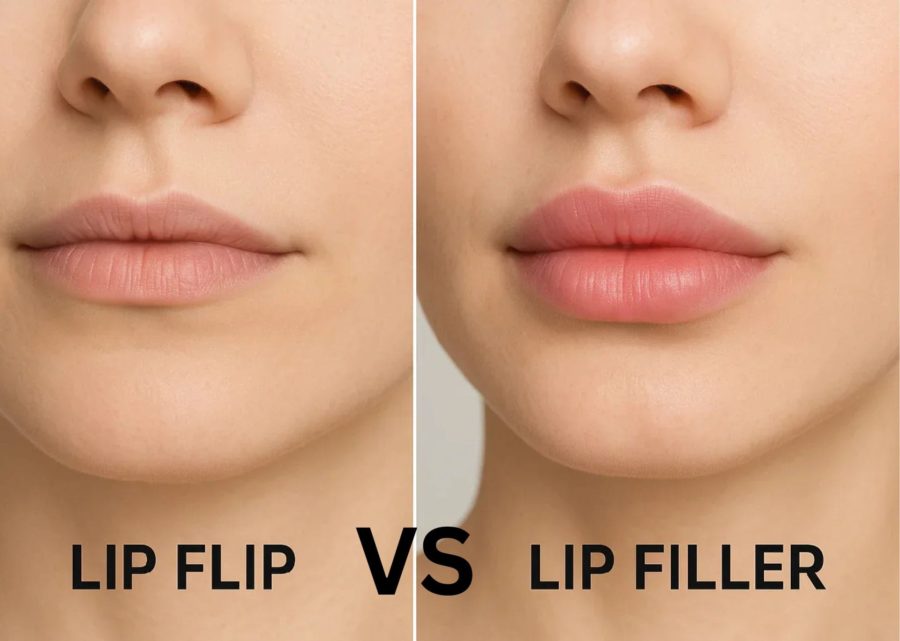
Lip Flip vs Lip Filler

Lip Flip vs Lip Filler: Which Treatment Is Right for You?

A fuller-looking smile does not always require adding volume to the lips. Some people want more visible upper lip when they smile, while others want fuller lips, better definition, or a softer appearance around the mouth. These goals can point toward different treatments.

A lip flip and lip filler are often discussed together because both can change the appearance of the lips. However, they work in very different ways. A lip flip uses small amounts of botulinum toxin to relax specific muscles around the upper lip. Lip filler uses an injectable gel to add volume and shape to the lips.

Choosing between them starts with understanding the difference rather than deciding based only on photographs or online trends. Your natural lip shape, muscle movement, existing volume, and desired result all matter.

If you are considering a Lip Flip Treatment, it can be helpful to know exactly what the procedure can and cannot do. The same is true when you are thinking about filler.

What Is a Lip Flip?

How the Treatment Works

A lip flip uses small injections of botulinum toxin into selected muscles around the upper lip. The treatment temporarily reduces muscle activity, which can allow part of the upper lip to roll slightly outward.

This can make more of the upper lip visible without actually adding volume to the lip tissue. The change is usually subtle, which makes the treatment appealing to people who want a small adjustment rather than a noticeably fuller lip.

Because the treatment affects muscle movement rather than adding material, the result is different from what you would see with a traditional filler procedure.

What a Lip Flip Can Change

A lip flip may help create a more visible upper lip, particularly when the upper lip tends to curl inward when smiling. It may also change the way the upper lip sits at rest or during certain facial expressions.

The treatment does not physically increase the size of the lip. Instead, it changes the relationship between the lip and nearby muscles.

That distinction is important when setting expectations. Someone who wants a significant increase in lip volume may find that a lip flip alone does not provide the result they are looking for.

Why the Result Looks Subtle

The amount of change from a lip flip is generally modest because the treatment is based on relaxing muscle activity.

This can be useful for someone who wants a small cosmetic adjustment. However, it also means the procedure may not be the best choice when the main goal is substantial fullness or reshaping.

What Is Lip Filler?

Adding Volume and Definition

Lip filler works through a completely different mechanism. Injectable filler is placed into selected areas of the lips to add volume, improve definition, or modify shape.

Many modern lip fillers use hyaluronic acid, a substance that is naturally found in the body. Different filler products have different characteristics, so the choice depends on the treatment area and desired outcome.

Unlike a lip flip, filler can physically increase the amount of volume in the treated area.

What Lip Filler Can Address

Lip filler may be considered when someone wants fuller lips, more defined borders, improved symmetry, or changes to specific areas of the lips.

The amount of filler used can be adjusted according to the patient’s goals. Some people may want a very small change, while others may want more noticeable enhancement.

The goal should not simply be to add as much volume as possible. Good treatment planning considers the proportions of the lips and how they relate to the rest of the face.

Lip Flip vs Lip Filler: The Main Difference

Muscle Relaxation Versus Added Volume

The simplest way to understand Lip Flip vs Lip Filler is to look at what each treatment changes.

A lip flip changes muscle activity around the upper lip. Lip filler adds volume to the lip itself.

This creates two very different treatment experiences and outcomes.

A person with adequate natural lip volume who wants the upper lip to show more may prefer a lip flip. Someone whose main concern is thin lips or loss of volume may be more interested in filler.

The Goals Are Often Different

Think about what you want to see when you look in the mirror.

If you want a slightly more visible upper lip, a lip flip may be worth discussing. If you want fuller lips or more shape, filler may be more appropriate.

There is no universal answer because the best option depends on your anatomy and goals.

When a Lip Flip May Be a Better Fit

You Want More Upper Lip Show

Some people have a naturally thin-looking upper lip because much of the lip rolls inward, especially when they smile.

A lip flip may allow more of the upper lip to become visible.

The result is not the same as adding volume, but it can create a subtle enhancement without changing the actual amount of lip tissue.

You Prefer a Small Cosmetic Change

A lip flip may appeal to people who do not want a visibly fuller lip.

The treatment can create a modest difference while maintaining much of the person’s natural lip shape.

This can be especially appealing if you are trying an injectable treatment for the first time and want to discuss a conservative approach.

You Are Concerned About Upper Lip Movement

Muscle activity around the mouth contributes to how the upper lip moves during expressions.

A provider can assess whether muscle movement is contributing to the specific concern you want to address.

That assessment is more useful than choosing a treatment based only on the name of the procedure.

When Lip Filler May Be More Suitable

You Want More Volume

If your primary goal is fuller lips, filler is designed to add volume.

The provider can place product in specific areas depending on the desired shape and outcome.

The amount and placement should be carefully planned so the result fits your facial proportions.

You Want More Definition

Some people are less concerned about overall fullness and more interested in lip borders or shape.

Filler can be used strategically to address selected areas.

The final plan should account for the existing shape of the lips rather than applying the same technique to everyone.

You Want to Address Volume Loss

Lip volume can change with age.

If your concern involves reduced fullness rather than only upper lip movement, filler may offer a more direct way to address that concern.

A consultation can help determine whether volume loss is actually the main issue.

What About Botox for Lip Lines?

Understanding the Connection

The term botox for lip lines can refer to using botulinum toxin to reduce the appearance of certain lines around the mouth.

These lines can become more noticeable with repeated muscle movement. However, treatment around the mouth requires careful planning because those muscles are involved in important functions such as speaking, drinking, eating, and making expressions.

For that reason, treating the mouth area is not simply about placing injections wherever a line appears.

Why the Treatment Requires Precision

Too much relaxation around the mouth can affect normal muscle function.

A qualified provider should assess the location and depth of the lines, muscle movement, and the desired result before deciding whether botulinum toxin is appropriate.

Some lip lines may also involve changes in skin quality or volume, meaning another treatment may be more suitable.

Can a Lip Flip and Filler Be Combined?

When Combination Treatment May Make Sense

A lip flip and filler can address different concerns.

For example, someone may want a small increase in lip volume while also wanting the upper lip to show more when smiling. In that situation, a provider may discuss whether combining treatments would make sense.

This should not be assumed to be necessary.

The decision should be based on the individual’s anatomy, goals, previous treatments, and desired level of change.

Avoiding Too Much Treatment

Combining procedures does not automatically create a better result.

The lips need to remain balanced with the rest of the face. Too much volume or excessive muscle relaxation can create an appearance that does not match the patient’s preferences.

A conservative plan can be adjusted over time if more enhancement is appropriate.

What Happens During a Lip Flip Appointment?

Consultation Comes First

A good appointment should begin with an assessment rather than immediately moving to injections.

The provider can look at your lips at rest and during movement. You can also explain what you want to change.

This gives both you and the provider an opportunity to decide whether a lip flip matches your goals.

The Injection Process

The treatment uses small injections in selected areas around the upper lip.

Because the treatment involves botulinum toxin, accurate placement is important. The provider should understand the relevant facial anatomy and how the surrounding muscles affect lip movement.

The appointment is generally brief, but the exact process can vary.

Results Develop Over Time

A lip flip does not create its full effect immediately.

The treated muscles gradually become less active, and the change in lip position becomes more noticeable over the following days.

The result is temporary, so muscle activity eventually returns.

What Happens During Lip Filler Treatment?

Planning the Shape

Filler treatment usually begins with a discussion of the desired outcome.

The provider can assess the upper and lower lips, symmetry, borders, surrounding structures, and existing volume.

This helps determine where product may be placed and how much enhancement may be appropriate.

Adding the Filler

The product is injected into selected areas of the lips.

The technique can vary based on the product, treatment goals, and provider’s approach.

Temporary swelling, redness, tenderness, or bruising can occur after injections, so the immediate appearance should not always be considered the final result.

Comparing Recovery and Downtime

Lip Flip Recovery

A lip flip generally involves little downtime, although small injection-site reactions can occur.

You may notice mild tenderness or temporary swelling around the injection areas.

Your provider will give you specific instructions based on the treatment performed.

Lip Filler Recovery

Lip filler can cause more noticeable temporary swelling because material has been injected into the lips.

Some people also experience bruising or tenderness.

The lips may look different immediately after treatment because of swelling. Giving them time to settle provides a more accurate idea of the final appearance.

Plan Around Your Schedule

If you have an important event coming up, discuss timing with your provider.

Even when a treatment has minimal downtime, temporary swelling or bruising can affect how you look for several days.

Planning ahead can reduce unnecessary pressure after the appointment.

How Long Do the Results Last?

Lip Flip Longevity

A lip flip is temporary because botulinum toxin does not permanently change muscle activity.

As the effect wears off, normal muscle movement gradually returns and the lip typically returns toward its previous position.

The exact duration can vary between individuals.

Lip Filler Longevity

Lip filler is also temporary when a hyaluronic acid product is used.

How long the result lasts can depend on the specific product, treatment area, individual metabolism, and other factors.

Your provider can explain the expected duration for the product being considered.

Choosing Lip Flip Mount Kisco Treatment

Start With the Provider

If you are researching Lip Flip Mount Kisco, do not choose a treatment solely because it is popular.

Look for a provider who understands facial anatomy and has experience with injectable treatments around the mouth.

The consultation should give you enough information to understand the expected result and potential limitations.

Discuss Your Natural Lip Shape

Your starting anatomy plays a major role in treatment planning.

Tell your provider whether you want more volume, more upper lip visibility, improved definition, or a change in how your lip looks when smiling.

These details can help guide the treatment discussion.

Ask About Alternatives

You should be able to discuss both options before making a decision.

A provider may explain why a lip flip, filler, another treatment, or no treatment may be appropriate.

Having that conversation can help prevent choosing a procedure simply because someone else had a good result with it.

Common Mistakes to Avoid

Choosing Based Only on Price

Cost can matter, but it should not be the main factor when selecting an injectable treatment.

Training, experience, product selection, treatment planning, and patient safety all deserve consideration.

A low price does not necessarily mean better value if the treatment does not match your goals.

Asking for Someone Else’s Exact Result

Your lips are different from another person’s lips.

Even if you like a particular before-and-after photo, your anatomy may require a different approach.

Use photos to communicate what you like, but let the provider assess what is realistic for you.

Expecting a Lip Flip to Create Major Volume

A lip flip is not a substitute for filler when the primary goal is substantial added volume.

Understanding this before treatment can prevent disappointment.

If fullness is your main goal, discuss filler or other appropriate options during consultation.

Making the Right Choice for Your Goals

Choose Based on the Change You Want

A useful way to approach the decision is to describe the result rather than naming the procedure.

Instead of saying, “I want a lip flip,” explain whether you want your upper lip to show more, your lips to look fuller, or your lip lines to appear softer.

That gives the provider more useful information.

Think About Subtle Versus Noticeable Results

Some patients want people to notice that they look refreshed without knowing why.

Others want a clearly fuller lip.

Neither preference is wrong. The important part is communicating your desired level of change so the treatment plan can reflect it.

Final Thoughts

A lip flip and lip filler can both change the appearance of the lips, but they do so in different ways.

A lip flip temporarily relaxes selected muscles around the upper lip, which can allow more of the lip to show. Filler adds physical volume and can be used to adjust fullness, definition, and shape.

The right option depends on what you want to change. If your concern is upper lip visibility during a smile, a lip flip may be worth discussing. If you want fuller lips or more defined contours, filler may be a better match.

Some patients may benefit from a combination of treatments, while others may need only one or neither.

If you are considering a Lip Flip Treatment, begin with a consultation and describe the result you want rather than assuming which procedure you need. A personalized assessment can help you understand your options and set realistic expectations.

For anyone researching Lip Flip Mount Kisco, choosing an experienced provider and having an open discussion about your goals can make the treatment decision much clearer.

FAQs

Is a lip flip better than filler for naturally thin lips?

A lip flip may help make the upper lip more visible, but it does not add actual volume. If your main goal is fuller lips, filler may be more suitable. Your anatomy and desired result should guide the choice.

How quickly will I see results after a lip flip?

Lip flip results develop gradually as the botulinum toxin begins reducing targeted muscle activity. Your provider can explain when changes should become noticeable and when you should evaluate the overall result.

Can lip filler and a lip flip be done together?

They can sometimes be combined when a patient wants both added volume and greater upper lip visibility. However, combination treatment is not necessary for everyone. A provider should assess your lips and goals before recommending both procedures.

IV Sedation Dentistry

How Much Does IV Sedation Dentistry Usually Cost?

The cost of IV sedation dentistry does not have one fixed price for every patient. The amount you pay can depend on the type of dental procedure, how long treatment takes, the sedation method, your individual needs, and how the dental practice structures its fees.

This can make pricing confusing when you first start comparing treatment options.

A dental procedure and the sedation used during that procedure are also separate considerations. You may pay for the actual dental treatment along with a separate sedation fee, depending on the practice and treatment plan.

IV sedation is delivered through a vein and allows medication to take effect quickly. The level of sedation can vary based on the medication and clinical approach. Dental sedation should be selected according to the patient’s health, anxiety level, procedure, and safety requirements. The American Dental Association maintains specific guidelines for sedation and anesthesia in dental practice.

If you are researching IV Sedation Toms River NJ, understanding these cost factors can help you ask better questions before scheduling treatment.

What Is IV Sedation Dentistry?

How IV Sedation Works

IV sedation involves administering sedative medication through an intravenous line.

Because the medication enters the bloodstream directly, the dental team can adjust the level of sedation during the procedure when clinically appropriate.

Sedation is different from local anesthesia. Local anesthesia numbs a specific area so you do not feel pain from the dental procedure. Sedation is primarily used to help manage anxiety and awareness.

Your dentist may use both during treatment.

Sedation Does Not Mean General Anesthesia

Patients sometimes use the terms sedation and anesthesia interchangeably, but they are not always referring to the same thing.

Sedation exists on a continuum, ranging from minimal sedation to deeper levels. The ADA provides guidelines covering sedation and general anesthesia in dental settings. 

The exact level planned for your appointment should be explained before treatment.

Why the Method Matters

IV sedation requires equipment, medication, monitoring, and trained personnel.

These factors can affect the total cost compared with simpler sedation methods.

The fee is therefore not simply the price of the medication. It may reflect the clinical resources needed to provide sedation appropriately.

IV Sedation Dentistry Calgary | Sierra Dental

What Determines the Cost of IV Sedation?

The Dental Procedure Itself

One of the biggest factors is the treatment you are receiving.

A short procedure may require less sedation time than a lengthy treatment involving multiple teeth.

For example, the sedation needs for a brief dental procedure may be very different from those associated with a longer surgical appointment.

This means asking only, “How much is IV sedation?” may not give you the complete financial picture.

Length of the Appointment

Sedation costs can sometimes be connected to the amount of time sedation is provided.

The American Dental Association’s current coding materials include specific codes for intravenous moderate sedation based on time increments.

That does not establish one universal patient price. Dental practices set their own fees, and the total cost can vary.

Your Individual Needs

Patients do not all respond to sedation in the same way.

Your medical history, medications, anxiety level, procedure, and planned sedation level can all influence the treatment approach.

A proper evaluation should happen before IV sedation is provided.

IV Sedation vs. Other Sedation Options

Oral Sedation Dentistry

Oral Sedation Dentistry uses medication taken by mouth rather than medication delivered through an IV.

It may be considered for certain patients with dental anxiety, depending on their medical history and the planned procedure.

The experience can differ from IV sedation because oral medication is absorbed through the digestive system rather than administered directly into a vein.

Your dentist can explain which option is suitable for your situation.

Nitrous Oxide

Nitrous oxide and oxygen are inhaled through a mask.

The American Dental Association describes appropriately administered nitrous oxide-oxygen as a method for managing pain and anxiety in dentistry.

Nitrous oxide also leaves the body relatively quickly through exhalation. 

Because the equipment and administration process differ from IV sedation, the cost structure may also differ.

Why IV May Cost More

IV sedation can involve additional clinical resources compared with simpler sedation methods.

The dental team may need to establish IV access, administer medication, monitor you during treatment, and observe you afterward.

The final cost should therefore be considered alongside the level of care and monitoring required.

What May Be Included in an IV Sedation Fee?

Medication and Administration

A sedation fee may include the medication and the clinical work involved in administering it.

However, what is included varies between dental practices.

Do not assume that one quoted amount covers every sedation-related service.

Monitoring

Sedation requires appropriate monitoring based on the level of sedation being provided.

The ADA’s sedation guidance addresses patient evaluation, monitoring, and safety considerations.

These clinical requirements are part of what makes sedation different from simply taking a medication at home.

Pre-Treatment Evaluation

Some patients may need a consultation or medical assessment before sedation.

Your dentist may review your medical history, medications, allergies, previous reactions to sedation, and other relevant factors.

This assessment helps determine whether sedation is appropriate and what precautions may be needed.

Does Dental Insurance Cover IV Sedation?

Coverage Depends on Your Plan

Dental insurance does not necessarily cover every sedation service.

Coverage can depend on your insurance plan, the procedure being performed, medical necessity requirements, and the policy’s exclusions.

The American Dental Association notes that dental insurance plans can vary significantly in which services they cover and the amount they pay.

Because policies differ, it is important to confirm your specific benefits.

Ask About Your Out-of-Pocket Amount

Before treatment, ask the dental office for an estimate of your expected personal responsibility.

You can also contact your insurance company and ask:

  • Is sedation covered?
  • Is IV sedation covered for this procedure?
  • Is preauthorization required?
  • What percentage is covered?
  • Is there an annual benefit maximum?
  • What amount will I need to pay?

Getting answers beforehand can prevent unexpected bills.

Do Not Assume “Covered” Means Free

Even when insurance contributes toward treatment, you may still have a deductible, copayment, coinsurance, or other patient responsibility.

The actual amount depends on your plan.

Ask both the dental practice and insurance company for clarification before your appointment.

Why Some Patients Choose IV Sedation

Managing Significant Dental Anxiety

Dental anxiety can make necessary treatment difficult for some patients.

Sedation can help patients remain calmer during procedures when it is clinically appropriate.

The goal is not simply to make a dental appointment feel easier. Sedation may allow certain patients to receive needed treatment when anxiety would otherwise become a major barrier.

Completing Longer Treatment

Some patients need several procedures or longer appointments.

In appropriate cases, sedation can help make a lengthy dental visit more manageable.

Whether this is appropriate depends on the treatment plan and the patient’s health.

A Different Experience During Treatment

People can respond differently to dental procedures.

Some patients remain very aware while others experience less awareness depending on the sedation level.

Your dentist should explain what you are likely to experience instead of assuming that every patient will respond identically.

Is IV Sedation Appropriate for Everyone?

Your Medical History Matters

Before sedation, your dentist needs accurate information about your health.

Tell the dental team about medications, supplements, allergies, previous sedation experiences, and relevant medical conditions.

Do not leave out information because you think it is unrelated to dentistry.

The Planned Procedure Matters Too

Sedation is not selected separately from the dental treatment.

The provider considers the procedure, expected length, patient’s health, and appropriate sedation level together.

The ADA’s current sedation guidelines emphasize patient evaluation and selection of an appropriate sedation technique.

A Consultation Helps Identify the Right Approach

A consultation gives you an opportunity to discuss anxiety, medical history, and treatment expectations.

It also allows the dental team to explain whether IV sedation, another sedation method, or no sedation is appropriate.

Questions to Ask an IV Sedation Dentist

Ask for the Complete Treatment Estimate

Instead of asking only for the sedation price, request a complete estimate.

Ask whether the quoted amount includes:

  • Dental treatment
  • Sedation medication
  • IV administration
  • Monitoring
  • Recovery
  • Pre-treatment evaluation
  • Follow-up

This gives you a more realistic picture of the total cost.

Ask How Long Sedation Will Be Used

The duration of sedation can affect the cost.

Ask how long your appointment is expected to last and whether sedation fees are calculated based on time or another pricing structure.

Ask About Additional Fees

You can also ask whether there are separate charges for consultation, monitoring, medical clearance, or other services.

There is nothing unusual about asking for a detailed estimate before treatment.

A clear financial discussion can help you plan without making assumptions.

Nitrous Oxide & IV Sedation - Carr Pediatric Dentistry

Choosing an IV Sedation Dentist in Toms River

Look at Qualifications and Experience

If you are searching for an IV Sedation Dentist Toms River, cost should be only one part of your comparison.

Ask about the provider’s training and experience with the sedation technique being proposed.

Sedation requires appropriate knowledge of patient assessment, medication, monitoring, and emergency management.

Consider the Practice’s Safety Process

Ask how patients are evaluated before sedation and what monitoring is used during treatment.

The ADA’s current guidelines emphasize appropriate evaluation, monitoring, and training for dental sedation.

You should understand the process before agreeing to treatment.

Communication Matters

A good consultation should leave you understanding what will happen.

Your provider should be willing to discuss:

  • Why sedation is recommended
  • Which type will be used
  • How you will be monitored
  • What you should do before treatment
  • What recovery may involve
  • What the treatment will cost

These questions are useful whether you are comparing a Sedation Dentist or another dental provider.

What to Expect Before the Appointment

Follow Pre-Treatment Instructions

Your dental team may provide specific instructions before IV sedation.

These instructions can depend on the type and depth of sedation and your individual situation.

Follow the instructions given by your provider carefully.

Do not make assumptions about eating, drinking, medications, or transportation.

Arrange Transportation

Patients receiving sedation may need someone to drive them home.

Your provider will give you instructions based on the sedation technique and your recovery needs.

Ask about transportation before the appointment so you can make arrangements in advance.

What Happens After IV Sedation?

Recovery Takes Time

Feeling fully back to normal can take time after sedation.

The exact recovery experience depends on the medication, sedation level, procedure, and individual response.

Your dental team should explain what you can expect before you leave.

Follow Post-Treatment Instructions

Aftercare instructions may include restrictions on activities, food, medication, or driving.

Follow the instructions provided by your dental team.

If you experience symptoms that concern you after sedation, contact your provider or seek appropriate medical attention based on the situation.

How to Compare Sedation Dentistry Costs

Do Not Compare Prices Without Comparing Services

Two dental offices may quote different prices for IV sedation.

That does not necessarily mean one office is more expensive for the same service.

The quoted amounts may include different components.

One practice might include monitoring and recovery in its sedation fee, while another may list them separately.

Ask for Written Estimates

A written treatment estimate can make comparisons easier. Look for the total expected cost rather than focusing on one line item.

For patients considering IV Sedation Dentistry Toms River, this approach can provide a clearer basis for understanding the financial side of treatment.

Is IV Sedation Worth Considering?

Look at Your Personal Needs

The value of sedation depends on the individual. For someone with severe dental anxiety, sedation may make it possible to receive necessary treatment more comfortably.

For someone who is comfortable with routine dental care, it may not be necessary.

The decision should be based on your clinical situation and a discussion with your dental provider.

Consider the Complete Treatment Experience

Cost is important, but it should be considered alongside safety, appropriate monitoring, provider experience, and your treatment needs.

A lower quoted fee does not automatically mean that the overall service is comparable.

Understanding exactly what you are paying for is more useful than comparing one number.

Final Thoughts

There is no single nationwide price for IV sedation dentistry. The final cost can vary according to the dental procedure, length of treatment, sedation level, clinical resources, patient needs, and how the dental practice structures its fees.

Insurance coverage can also differ substantially between plans, so patients should confirm benefits and expected out-of-pocket costs before treatment.

If you are considering IV Sedation Toms River NJ, start by asking for a complete treatment estimate rather than a sedation price alone. Find out what the fee includes, whether monitoring and recovery are included, and whether additional charges may apply.

Most importantly, choose sedation based on your dental needs and an appropriate clinical assessment. The ADA’s current sedation guidelines emphasize patient evaluation, appropriate technique, monitoring, and safety.

A detailed consultation with a qualified provider can help you understand both the medical and financial sides of your treatment before you move forward.

FAQs

How much does IV sedation dentistry usually cost?

There is no universal price for IV sedation dentistry. Costs vary by procedure, treatment length, sedation level, provider, and included services. Insurance benefits can also affect your final out-of-pocket amount.

Does dental insurance usually cover IV sedation?

Coverage varies by insurance plan and procedure. Some plans may provide benefits in specific situations, while others may exclude sedation. Contact your insurer and dental office to confirm coverage and expected personal costs.

Is IV sedation more expensive than oral sedation?

IV sedation may cost more because it can involve intravenous administration, medication, monitoring, and additional clinical resources. However, pricing varies between practices, so request complete estimates for both options before comparing costs.

Ilmaisen julkaisemisen puolesta: Blogaaja.fi