

Large construction and remodeling projects require careful planning, especially when it comes to materials that affect multiple stages of development. Cabinets are one of the most important components in residential and commercial projects because they influence both the functionality and final appearance of the space.
For builders, contractors, and developers, purchasing cabinets for a large project is very different from buying cabinets for a single kitchen renovation. Large projects require accurate measurements, consistent product availability, reliable delivery schedules, and strong communication with suppliers.
A single cabinet issue can create delays across multiple homes or units. Missing components, inconsistent finishes, or late deliveries can impact installation teams and affect the overall construction timeline.
This is why many professionals work with a dependable cabinet supplier for builders that understands large-scale requirements and can provide consistent solutions throughout the project.
Understanding the Challenges of Large Cabinet Orders
Buying cabinets in larger quantities creates unique challenges that professionals need to consider before placing an order.
Large projects often involve:
- Multiple kitchen layouts
- Repeated cabinet configurations
- Strict construction schedules
- Budget limitations
- Coordination between different teams
Unlike smaller projects, large developments require a higher level of organization. A supplier must be able to provide consistent products across multiple orders while maintaining quality standards.
Builders should not only focus on the initial purchase but also consider how the supplier will support the project from ordering through installation.
A successful cabinet purchasing strategy helps reduce unexpected problems and creates a smoother construction process.

Plan Cabinet Requirements Before Ordering
Proper planning is one of the most important steps when purchasing cabinets for large projects. Before contacting suppliers, builders should have a clear understanding of project requirements.
Important planning factors include:
- Number of units requiring cabinets
- Kitchen layouts
- Cabinet styles
- Required finishes
- Installation timelines
- Storage requirements
Accurate planning helps prevent ordering mistakes and allows suppliers to prepare the correct products.
Builders should also consider whether future phases of the project may require additional cabinets. Choosing a supplier that can support repeat orders is valuable for long-term developments.
A well-planned cabinet strategy creates better coordination between builders, suppliers, and installation teams.
Choose Cabinet Styles That Support Market Demand
For large residential projects, cabinet selection should consider both design appeal and long-term market demand. Builders need options that attract buyers while remaining practical for different homeowner preferences.
Popular cabinet styles often include:
- Shaker cabinets
- Modern flat-panel designs
- Neutral finishes
- Functional storage solutions
Shaker cabinets continue to be a popular choice because they offer a clean appearance that works with many interior styles. Their flexibility makes them suitable for different housing projects.
When selecting cabinets for large developments, builders should choose styles that provide broad appeal rather than designs that may only attract a limited audience.
The right cabinet selection can help create attractive homes while maintaining efficient purchasing and installation processes.
Work With a Supplier That Can Handle Bulk Orders
Not every cabinet supplier is prepared to support large-scale projects. Builders need partners that have the capacity, inventory, and experience necessary for bulk purchasing.
A capable supplier should be able to provide:
- Large quantity orders
- Consistent cabinet quality
- Repeat availability
- Reliable communication
- Organized fulfillment
Before committing to a supplier, builders should ask about their ability to support current and future projects.
A supplier that performs well on a small order may not always have the resources required for a large construction development.
Working with an experienced wholesale partner helps builders reduce risks and maintain project consistency.

Evaluate Cabinet Quality Before Bulk Purchasing
When ordering cabinets in large quantities, quality evaluation becomes even more important. A small issue in one cabinet can become a major problem when multiplied across dozens or hundreds of units.
Before placing a large order, builders should review:
Cabinet Construction
Strong construction methods help ensure cabinets perform well after installation.
Important details include:
- Cabinet box materials
- Door strength
- Drawer construction
- Hardware quality
Finish Consistency
Large projects require cabinets that maintain the same appearance across all units.
Consistent finishes help ensure that every completed kitchen meets the expected design standard.
Functional Performance
Cabinets should operate smoothly and provide reliable everyday use.
Testing samples before large orders can help builders confirm that products meet expectations.
Understand the Importance of Inventory Management
Inventory management plays a major role in successful large-scale cabinet projects. Builders depend on suppliers being able to provide products when they are needed.
A supplier with strong inventory systems can help with:
- Better order planning
- Reduced waiting periods
- Faster project progress
- More predictable scheduling
Cabinet delays can affect flooring, countertops, appliances, and final finishing work. This makes supply reliability an essential part of construction planning.
A professional wholesale cabinet supplier should have processes that support accurate inventory tracking and efficient order fulfillment.
Consider Delivery and Storage Requirements
Large cabinet orders require careful delivery planning. Cabinets must arrive safely and be stored properly before installation.
Builders should consider:
- Delivery schedules
- Packaging quality
- Job site conditions
- Storage space availability
Poor delivery planning can lead to damaged products or installation delays.
A reliable supplier should provide clear information about shipment timing and help coordinate deliveries according to project needs.
Efficient logistics management allows construction teams to maintain organized workflows.
Managing Costs When Buying Cabinets in Bulk
Budget control is a major concern for builders. Large cabinet purchases can represent a significant portion of construction expenses, so careful financial planning is important.
Builders can manage costs by:
- Comparing supplier value
- Planning orders early
- Selecting practical cabinet options
- Reducing unnecessary changes
The goal should not simply be finding the cheapest cabinets. Instead, builders should focus on products that provide durability, reliability, and long-term value.
A low-quality product may create additional expenses through replacements, repairs, or customer complaints.
Smart purchasing decisions help builders protect both budgets and project quality.
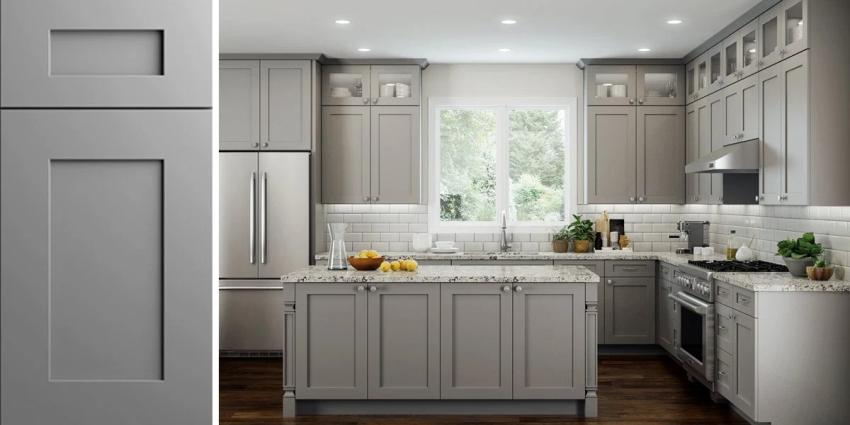
Benefits of Buying Cabinets Through Wholesale Suppliers
Working with wholesale suppliers provides several advantages for large projects.
Better Pricing Opportunities
Bulk purchasing often allows builders to access pricing structures designed for professional buyers.
This can improve project budgeting and overall cost management.
Consistent Products Across Projects
Using the same supplier helps maintain consistency in cabinet style, construction, and finishes.
This is especially valuable for builders developing multiple homes or units.
Simplified Ordering
A reliable supplier makes the purchasing process easier by providing organized ordering systems and professional communication.
Long-Term Partnership Benefits
Building a relationship with a trusted supplier can support future projects and create smoother operations over time.
Common Mistakes Builders Should Avoid When Ordering Cabinets
Large cabinet projects require attention to detail. Several common mistakes can create unnecessary problems.
Choosing Only Based on Price
The cheapest option may not provide the best long-term value.
Ignoring Lead Times
Failing to confirm availability can create schedule problems.
Ordering Without Reviewing Samples
Testing products before bulk purchasing helps confirm quality expectations.
Working With Unprepared Suppliers
A supplier without experience in large projects may struggle with volume requirements.
Avoiding these mistakes helps builders create more successful cabinet purchasing strategies.
How Technology Improves Cabinet Project Management
Modern suppliers often use technology to improve ordering, communication, and project coordination.
Digital tools can help with:
- Product selection
- Order tracking
- Inventory updates
- Project communication
Technology makes it easier for builders and suppliers to stay aligned throughout the project.
Better communication reduces confusion and allows problems to be addressed quickly.
Why Reliable Supplier Relationships Matter
Large construction projects often continue for months or years. Because of this, supplier relationships become extremely important.
A trusted supplier provides more than products. They provide confidence that materials will be available and supported when needed.
Strong relationships are built through:
- Clear communication
- Consistent performance
- Reliable delivery
- Professional support
Over time, these partnerships can improve efficiency and make future projects easier to manage.
How LineCraft Cabinetry Supports Large Projects
LineCraft Cabinetry Wholesale Center provides cabinet solutions designed for builders, contractors, and dealers who require dependable supply and professional support.
The company understands that large projects require more than attractive cabinet designs. Builders need consistent products, reliable availability, and a supplier that understands construction timelines.
With quality cabinet options and a business-focused approach, LineCraft Cabinetry helps professionals manage cabinet requirements more efficiently.
For builders looking for a dependable source of bulk kitchen cabinets, having a reliable supplier partner can improve project planning and overall results.
Final Thoughts
Buying cabinets for large projects requires careful planning, quality evaluation, and a reliable supplier relationship. Builders and contractors must consider more than product appearance and price when making purchasing decisions.
Factors such as inventory availability, delivery reliability, construction quality, and supplier support all influence project success.
By working with an experienced cabinet supplier, builders can reduce delays, maintain consistency, and complete projects with greater confidence.
A well-planned cabinet purchasing strategy helps create better construction outcomes and stronger customer satisfaction.
Frequently Asked Questions
How do builders purchase cabinets for large projects?
Builders typically purchase cabinets through wholesale suppliers that can support bulk orders, consistent products, and reliable delivery schedules. Planning requirements early helps ensure smoother ordering and project coordination.
What should builders consider before ordering bulk cabinets?
Builders should evaluate cabinet quality, supplier capacity, inventory availability, pricing, delivery timelines, and product consistency before placing large orders. These factors help prevent delays and maintain project standards.
Are wholesale cabinets better for construction developments?
Wholesale cabinets are often beneficial for construction developments because they provide professional pricing, consistent supply, and easier repeat ordering. Builders should choose suppliers experienced with large-scale projects.
Why is cabinet consistency important for multiple homes?
Cabinet consistency helps builders maintain the same design quality across multiple properties. Matching finishes, styles, and construction standards create a uniform appearance and improve homeowner satisfaction.
Leave a Reply