
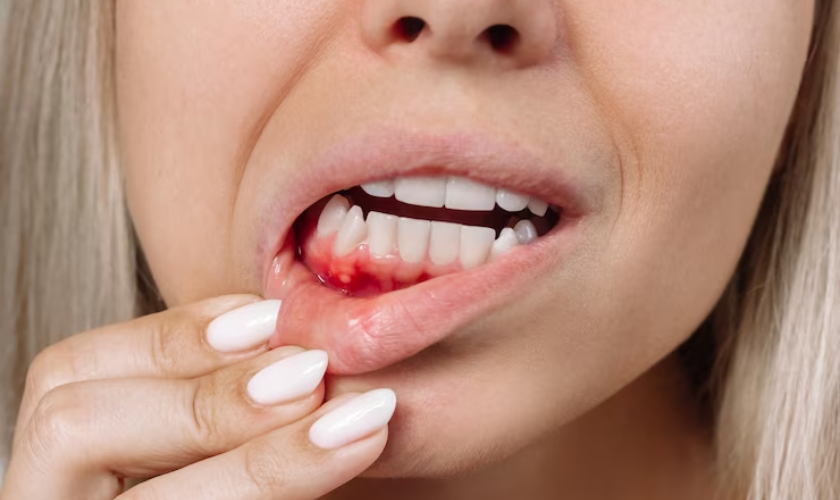
A blood blister in the mouth can be alarming, especially when it appears suddenly. These blisters may look scary but they are usually harmless and can heal with simple at-home treatments. If you’re experiencing a sudden blood blister in mouth no pain, it’s understandable to be concerned. Fortunately, with the right care, most blood blisters heal on their own without requiring professional attention.
In this guide, we’ll explore easy ways to treat a large blood blister in mouth and other types of blood blisters, like a red blister in mouth, at home. We’ll also provide tips on how to prevent them from occurring again and when you might need to seek dental care services in Houston.
What is a Blood Blister in the Mouth?
A blood blister in the mouth is a small, raised bump filled with blood that forms under the skin. Blood vessels under the surface break and cause the blister to form. It is typically caused by trauma to the mouth area, like biting the inside of your cheek or lip, or eating something too hot or sharp.
These blisters can appear anywhere in the mouth, including the gums, inner cheeks, tongue, or lips. Although a large blood blister in mouth may look concerning, it usually doesn’t pose a serious health risk. In most cases, these blisters are harmless and will heal naturally within a few days to a week.
Common Causes of Blood Blisters in the Mouth
Blood blisters in the mouth can occur for various reasons, including:
- Accidental bites: Biting the inside of your cheek, lip, or tongue while eating or speaking can cause blood vessels to break, resulting in a blood blister.
- Dental work or appliances: New dentures, braces, or poorly fitted dental work can irritate the inside of your mouth, causing friction that leads to blisters.
- Hot or sharp foods: Eating food that’s too hot or has sharp edges can burn or scrape the soft tissue in your mouth, leading to blood blisters.
- Trauma or injury: Accidental falls, collisions, or other impacts to the mouth can also cause blood blisters.
- Health conditions: Sometimes, medical conditions like vitamin deficiencies or blood clotting disorders may make you more prone to developing blood blisters.
If you notice a red blister in mouth without any pain, it’s often a sign that the blister is healing and should not cause alarm. However, if the blister causes significant discomfort or doesn’t heal within a few days, it’s best to consult a professional.
How to Treat a Blood Blister in the Mouth at Home
Apply a Cold Compress
One of the simplest ways to treat a large blood blister in mouth is to apply a cold compress. This helps reduce swelling and numbs the area to ease discomfort. Simply wrap some ice cubes in a clean cloth or use a cold pack and apply it to the affected area for about 10-15 minutes. Repeat several times a day to reduce swelling and promote healing.
Use Saltwater Rinses
Saltwater is a natural and gentle way to clean the mouth and promote healing. Salt has mild antibacterial properties and can help reduce inflammation. To make a saltwater rinse, mix about half a teaspoon of salt in a glass of warm water. Rinse your mouth with this solution several times a day, especially after eating, to prevent infection.
Apply Aloe Vera or Honey
Both aloe vera and honey are known for their soothing and healing properties. They can help reduce inflammation and promote faster healing. Apply a small amount of aloe vera gel or honey directly to the blood blister. Let it sit for a few minutes before gently rinsing with water. These natural remedies can be used up to three times a day for the best results.
Take Over-the-Counter Pain Relief (if necessary)
If the blood blister causes mild discomfort, over-the-counter pain relievers like acetaminophen or ibuprofen can help. Be sure to follow the dosage instructions and avoid any medications you are allergic to. Taking pain relievers can help you manage any discomfort while the blood blister heals.
When to Seek Professional Dental Care Services in Houston
While most blood blisters heal on their own, there are times when you may need to consult a dentist for further treatment. If you notice any of the following signs, it’s a good idea to schedule an appointment with dental care services in Houston:
- Persistent pain: If the blood blister is causing significant pain that doesn’t improve after a few days, it may need professional attention.
- Large or growing blisters: If the blister continues to grow or does not shrink after several days, you may need a dentist to evaluate it.
- Frequent recurrence: If you keep getting blood blisters in the same area, it could be a sign of an underlying issue that needs professional treatment.
- Signs of infection: If you notice redness, swelling, or pus around the blister, this could indicate an infection. A dentist will be able to clean the area and provide proper treatment.
In cases of sudden blood blister in mouth no pain that heals quickly and doesn’t cause complications, no dental intervention is necessary. However, if you experience any of the symptoms mentioned above, don’t hesitate to reach out to your local dentist.
How to Prevent Blood Blisters in the Mouth
Preventing blood blisters in the mouth starts with taking care of your oral health. Here are some tips to help you avoid them in the future:
- Be mindful when eating: Avoid chewing too hard or too quickly, and be cautious when eating hot or sharp foods.
- Use a soft toothbrush: Brushing your teeth with a soft-bristled toothbrush will prevent irritation to the sensitive tissue inside your mouth.
- Adjust dental appliances: If you wear braces, dentures, or other dental devices, ensure they fit properly to avoid irritation and injury.
- Stay hydrated: Drink plenty of water to keep your mouth moist and reduce the risk of mouth trauma.
By following these tips, you can reduce the chances of developing a blood blister in the mouth in the future.
Conclusion
A blood blister in the mouth, whether it’s a red blister in mouth or a large blood blister in mouth, is usually a minor issue that can be treated at home. By using simple remedies like cold compresses, saltwater rinses, and natural products such as aloe vera or honey, you can speed up the healing process and reduce any discomfort.
However, if the blister doesn’t heal, is causing significant pain, or keeps recurring, it’s important to consult dental care services in Houston. Your dentist can offer professional guidance and help you maintain your oral health.
FAQs
How long does a blood blister in the mouth take to heal?
Blood blisters in the mouth usually heal within 3 to 7 days. If the blister doesn’t improve within a week or worsens, you should consult a dentist for further evaluation.
Can I pop a blood blister in my mouth to relieve the pain?
It’s not recommended to pop a blood blister in the mouth as it can cause infection or worsen the condition. Let it heal naturally or apply gentle treatments like saltwater rinses.
Are blood blisters in the mouth dangerous?
In most cases, blood blisters in the mouth are not dangerous and heal on their own. However, if they are persistent or painful, it’s important to consult a dentist to rule out any underlying issues.
Leave a Reply