

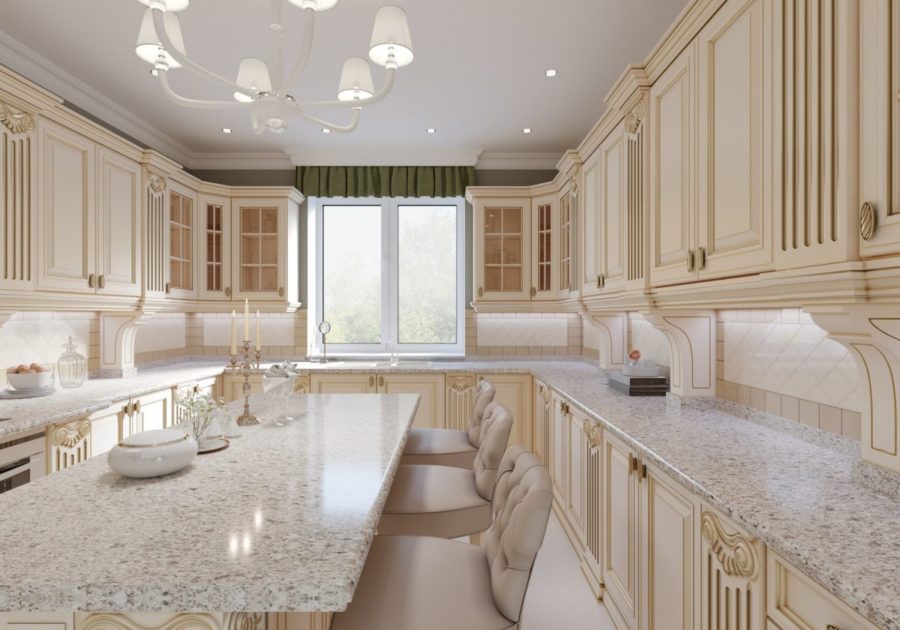
Ever walked into a showroom and just gasped? You see a slab. It’s beautiful. It’s perfect. Then you see the price tag. Ouch. You aren’t alone in this.
Lots of folks in Sterling, VA feel that same shock. You want that dream kitchen. But the numbers can be confusing. Why is that gray stone cheap? Why is the white one so expensive? It doesn’t make sense at first glance.
Let’s clear up the confusion. Knowing where your money goes is huge. It helps you plan better. It’s not just about buying a rock. You pay for labor. You pay for installation. You pay for upkeep.
We’re going to break down the natural stone countertops cost for you. No secrets here. Just the facts. Whether you want luxury or a bargain, this helps. You’ll be ready to choose wisely for your home.
Why Are Prices So Different?
Pricing isn’t one-size-fits-all. It’s tricky.
You might think all stone costs the same. It comes from the ground, right? But that’s not how it works. The price on the sample is just the start. The final bill is different.
There are many moving parts here. You pay for rarity. You pay for skill. You pay for the heavy lifting. Setting expectations early is key. Don’t let surprise fees ruin your day. A good budget covers everything. The stone. The workers. The supplies.
Factor 1: The Stone You Pick
This is the big one. The material itself. Think of it like buying a car. You have economy options. You have luxury sports cars. The stone sets the baseline price.
Popular Stones and Prices
Granite is a classic. People love it. It’s strong. It comes in tons of colors. Usually, it’s more affordable than other stuff. It’s common, so deals are easy to find. Quality is still high, though.
Then there’s marble. This is the fancy stuff. It screams luxury. It’s elegant and timeless. But beauty has a price. Marble is softer. It stains easier. It’s a premium choice. It usually costs more than granite.
Quartzite is another option. It’s tough as nails. It looks like marble but acts like granite. It’s hard to cut. That difficulty raises the price. But the durability? Totally worth it for many.
Want something unique? Look at soapstone or slate. They have a matte look. Very cool. These are mid-to-high price options. They offer specific natural stone countertop designs you can’t fake. Shiny granite just can’t do that look.
Is It Rare?
Supply and demand rules everything. Even rocks.
Some stones are everywhere. Basic gray granite? There’s tons of it. Quarries dig it up daily. This keeps prices low for you.
Exotic colors are different. Want pure blue granite? Want marble with gold veins? Get your wallet ready. You will pay a premium. These are hard to find. They aren’t produced in huge amounts.
Shipping matters too. Think about it. A stone from Italy travels far to get to Sterling, VA. That trip costs money. That cost gets added to your slab price.
Factor 2: Getting It Installed
Buying the slab is step one. Step two is harder. You need pros to cut it. You need them to polish it. You need them to install it. This labor costs real money.
Is the Job Hard?
Size matters here. Big kitchen? More stone needed. That’s obvious. But layout matters too.
Think about seams. That’s where two pieces meet. Making that line invisible takes skill. It takes time. Does your kitchen have weird angles? Lots of corners? The team works harder to match patterns. Extra time means extra cost.
Consider the lifting too. Is your kitchen upstairs? Is the hallway tight? If it’s hard to carry, it might cost extra. Heavy lifting isn’t free.
The Edges and The Finish
The edge seems small. It’s a big detail though. Most places offer standard edges. A simple square edge is usually free. Maybe a small charge. It looks classic. It works in any home.
Want something fancy? Like a rounded bullnose? Maybe a curvy ogee edge? Be ready to pay. Those shapes take work. Intricate cutting costs more.
The surface finish counts too. Polished is standard. It’s shiny. It’s usually the cheapest. Want a matte finish? That’s called honed. Want texture? That’s leathered. These need extra factory work. That bumps up the price.
Holes Cost Money
Every hole has a price. Seriously.
Cutting a sink hole is standard. But it’s not free. Undermount sinks need precise cuts. That adds up. Need a hole for a faucet? That’s another fee. Soap dispenser? Another fee. Filtered water tap? Another fee. Pop-up outlet? Yep, another fee.
They seem like small costs. But do the math. They can add hundreds to your final bill.
Factor 3: Keep It Looking Good
Don’t forget the future costs. People always forget this part.
Premium natural stone countertops need love. You have to maintain them. That costs money over time.
Sealing Is a Must
Stone is porous. It drinks liquids. That means stains. You have to seal it. Usually once a year.
You can hire a pro. They do it perfectly. But that costs more. Or you can DIY. Buy a good sealer bottle. It’s easy enough. But you must remember to do it. Protect that investment.
Cleaning Stuff
Put down the Windex. Seriously.
You can’t use just anything. Vinegar is bad. Bleach is bad. Lemon sprays are bad. Acid hurts stone surfaces.
You need special cleaners. Look for pH-neutral ones. They are made for stone. They aren’t super expensive. But it’s a recurring cost. You have to plan for it. Keep those surfaces safe.
Factor 4: Is It Worth The Cash?
So, is it worth it? Thousands of dollars for rock?
Usually, yes. Look at the long term. It’s an investment. It’s not just spending money. It’s building value.
Return on Investment
Stone boosts home value. It just does. Buyers in Sterling, VA love it. They want updated kitchens. It says “luxury.” It says “quality.”
Selling later? Stone helps. It can be a major selling point. It helps justify a higher asking price.
It Lasts Forever
Cheap stuff breaks. Laminate peels. It burns. You replace it in 10 years.
Natural stone? It lasts 50 years. Maybe more. It handles heat. It’s tough stuff.
Do the math. Calculate cost per year. Over a lifetime, stone is cheap. You buy it once. You enjoy it forever.
Summary: Save Some Money
Love the look? Hate the price? There are tricks. You can save cash.
First, check for remnants. These are leftovers. Big projects leave small pieces. They are perfect for vanities. Maybe a small island. They are sold cheap. Deep discounts happen here.
Second, keep edges simple. Standard edges look modern. They save labor costs.
Third, be flexible. Visit a Countertops Store in Sterling, VA. Ask what is in stock. Ask what is on sale. Don’t special order. Pick what they have right now. Avoiding exotic orders saves big bucks.
Conclusion
Now you know. You understand the true cost.
It’s more than just a sticker price. It’s material. It’s labor. It’s care. But it’s worth it. The durability is unmatched. The beauty is real.
You can get your dream kitchen. Just choose wisely. Keep installation in mind. Watch those extra fees. You won’t break the bank.
Ready to look? Go see some slabs. Get quotes from local experts. Seeing it in person changes everything. Visit a showroom today. Start that journey.
Frequently Asked Questions
What influences the price of natural stone the most?
The rarity of the material is huge. Common stones are abundant and cheaper. Rare exotic marbles are scarce. That scarcity drives the price up for those specific slabs.
Is natural stone cheaper than quartz?
It depends. Basic granite is often cheaper than premium quartz. But high-end marble? That costs more. It varies by stone. Entry-level granite is very affordable compared to many engineered options.
How often should I seal my stone countertops?
Seal them once a year. That’s the rule of thumb. Lighter stones might need it every six months. This keeps them stain-resistant and looking beautiful for years.